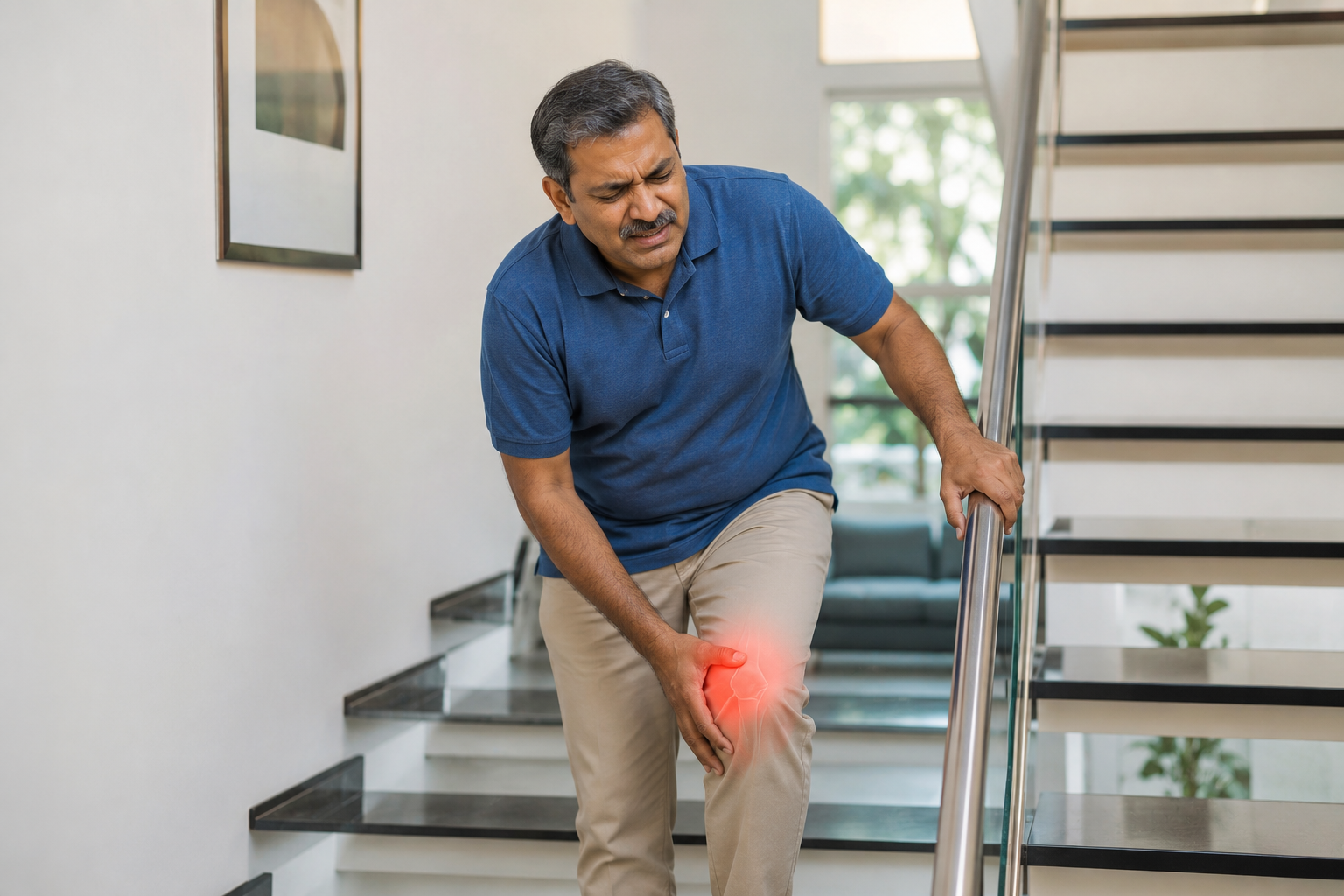
As we age, our bodies naturally undergo changes that affect the bones, joints, muscles, and ligaments. One of the most common complaints among adults over 40 is knee pain. Whether it's discomfort while climbing stairs, stiffness after sitting for long periods, or pain during walking, knee problems can gradually interfere with daily life.
So, why does knee pain increase after age 40? The answer lies in age-related wear and tear, reduced cartilage, lifestyle habits, previous injuries, and underlying medical conditions such as arthritis. Understanding these causes can help you take preventive measures and seek timely treatment before the condition becomes severe.
Quick Overview: Why Knee Pain Becomes More Common After 40
| Cause | How It Affects the Knee |
|---|---|
| Cartilage Wear and Tear | Reduces joint cushioning |
| Osteoarthritis | Causes pain, stiffness, and swelling |
| Muscle Weakness | Increases pressure on knee joints |
| Weight Gain | Adds stress to the knees |
| Previous Injuries | Accelerates joint degeneration |
| Reduced Physical Activity | Weakens muscles and flexibility |
| Ligament or Meniscus Damage | Leads to chronic knee pain |
Why Does Knee Pain Increase After Age 40?
There are several reasons why adults begin experiencing knee pain after crossing the age of 40.
1. Natural Wear and Tear of the Knee Joint
The knee is one of the most heavily used joints in the body. Every step, jump, or climb places stress on the joint.
As you age:
Cartilage gradually wears down.
Joint lubrication decreases.
Bones begin rubbing against each other.
Movement becomes painful.
This natural degeneration is one of the leading reasons for Knee Pain After Age 40.
2. Osteoarthritis Becomes More Common
Osteoarthritis is the most common cause of knee pain in adults over 40.
It occurs when the protective cartilage covering the knee joint slowly breaks down.
Common Symptoms
Pain during movement
Morning stiffness
Swelling
Clicking sounds
Reduced flexibility
Without timely treatment, osteoarthritis may eventually require Joint Replacement Surgery.
Related Treatment
Patients with severe arthritis can learn more about Joint Replacement Treatment in Patna.
3. Muscle Strength Starts Declining
After the age of 40, muscle mass naturally decreases if regular exercise is not maintained.
Weak thigh muscles provide less support to the knee joint, increasing pressure and leading to pain during:
Walking
Climbing stairs
Squatting
Running
Strength training and physiotherapy can help reduce this risk.
4. Weight Gain Increases Pressure on the Knees
Even a small increase in body weight can significantly affect knee health.
Studies show that every extra kilogram of body weight increases pressure on the knee joint during walking.
Maintaining a healthy weight helps reduce stress on the knees and lowers the risk of arthritis.
5. Previous Injuries Can Cause Long-Term Problems
Old injuries such as:
ACL tears
Meniscus injuries
Fractures
Sports injuries
may appear healed but can increase the risk of developing arthritis later in life.
Related Treatment
Patients with ligament injuries or sports-related knee problems may benefit from Sports Medicine Treatment in Patna.
6. Reduced Physical Activity
Many adults become less physically active after the age of 40.
Lack of exercise leads to:
Stiff joints
Weak muscles
Poor flexibility
Increased body weight
Regular low-impact activities like walking, cycling, swimming, and yoga help maintain knee health.
7. Chronic Inflammation
Conditions such as rheumatoid arthritis and gout can cause inflammation inside the knee joint.
Inflammation damages cartilage over time, leading to chronic pain and stiffness.
Early diagnosis can slow disease progression.
Common Symptoms of Knee Problems After Age 40
| Symptom | Possible Cause |
|---|---|
| Knee Pain While Walking | Osteoarthritis |
| Morning Stiffness | Joint Degeneration |
| Swelling | Inflammation |
| Difficulty Climbing Stairs | Cartilage Damage |
| Knee Clicking | Meniscus Wear |
| Reduced Mobility | Arthritis |

How to Prevent Knee Pain After 40
Taking care of your knees can significantly reduce the risk of chronic pain.
Maintain a Healthy Weight
Reducing excess weight decreases stress on the knee joints.
Stay Physically Active
Choose low-impact exercises such as:
Walking
Swimming
Cycling
Yoga
Strengthen Your Leg Muscles
Exercises that strengthen the quadriceps and hamstrings improve knee stability.
Eat a Balanced Diet
Include foods rich in:
Calcium
Vitamin D
Protein
Omega-3 fatty acids
Avoid Overloading the Knees
Use proper techniques while lifting heavy objects and avoid repetitive strain.
When Should You See an Orthopedic Specialist?
Consult an orthopedic doctor if you experience:
Persistent knee pain for more than a few weeks
Swelling that doesn't improve
Difficulty walking
Knee locking or instability
Pain during rest or sleep
Early diagnosis can prevent further joint damage and improve treatment outcomes.
Learn More About Orthopedic Care
Why Choose Dr. Abhijeet Jayaswal for Knee Pain Treatment?
Dr. Abhijeet Jayaswal specializes in diagnosing and treating various orthopedic conditions, including:
Knee Arthritis
Joint Replacement
Sports Injuries
Trauma Surgery
Spine Disorders
Pain Management
He offers personalized treatment plans based on each patient's condition and lifestyle.
Understanding Why Does Knee Pain Increase After Age 40? is the first step toward protecting your joint health. Age-related cartilage wear, arthritis, muscle weakness, weight gain, and previous injuries all contribute to knee pain. Fortunately, timely diagnosis, regular exercise, weight management, and expert orthopedic care can help relieve symptoms and improve mobility.
If you're experiencing persistent knee discomfort, consult an experienced orthopedic specialist for a proper evaluation and personalized treatment plan.
Frequently Asked Questions (FAQs)
Why is knee pain more common after the age of 40?
Age-related cartilage wear, arthritis, muscle weakness, and increased joint stress make knee pain more common after 40.
Can knee pain after 40 be prevented?
Yes. Maintaining a healthy weight, exercising regularly, strengthening leg muscles, and following a balanced diet can help reduce the risk.
Is knee pain always caused by arthritis?
No. Knee pain may also result from ligament injuries, meniscus tears, overuse, obesity, or previous trauma.
When should I see a doctor for knee pain?
Consult an orthopedic specialist if pain lasts more than a few weeks, affects walking, or is associated with swelling or stiffness.
Can knee pain after 40 lead to knee replacement surgery?
Not always. Many cases can be managed with lifestyle changes, physiotherapy, and medications. Surgery is generally considered only when conservative treatments no longer provide relief.
Ready to get started?
Schedule a consultation with our orthopedic specialists today for a personalized assessment.