Cervical Spondylosis Treatment In Patna

Home > Cervical Spondylosis

What is Cervical Spondylosis Treatment?

Cervical Spondylosis Treatment provides comprehensive management for age-related wear and tear (osteoarthritis) affecting the spinal disks in your neck.

Treatment focuses on reducing chronic neck pain and stiffness through physiotherapy, ergonomic adjustments, and medications. For severe nerve compression, advanced surgical decompression or cervical fusion may be recommended.
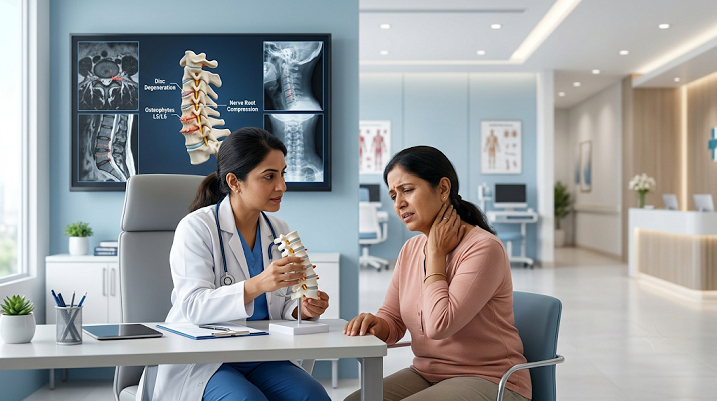
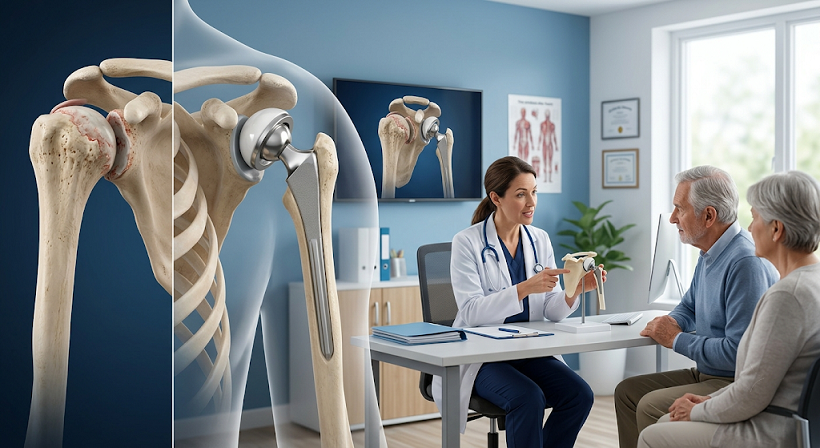
Neck Anatomy

Symptoms of Cervical Spondylosis

  • Persistent neck pain that worsens with movement or prolonged sitting
  • Neck stiffness and reduced range of motion
  • Pain radiating to the shoulder, arm, or hand
  • Numbness or tingling in the arms, hands, or fingers
  • Muscle weakness in the upper limbs
  • Headaches originating from the neck (cervicogenic headaches)
  • Difficulty with balance or walking in advanced cases due to spinal cord compression

Causes of Cervical Spondylosis Treatment

  • Age-related degeneration: Natural wear and tear of the cervical discs and joints over time.
  • Degenerative Disc Disease: Loss of disc height and hydration causing pressure on nearby nerves.
  • Bone Spurs (Osteophytes): Extra bone formation that narrows the spinal canal or nerve openings.
  • Previous Neck Injury: Trauma or repetitive strain can accelerate degeneration.
  • Poor Posture & Repetitive Neck Movements: Long hours of computer or mobile phone use may contribute to symptoms.
  • Genetic Predisposition: Family history can increase the risk of developing cervical spondylosis.
Neck Pain

Who Needs Cervical Spondylosis Treatment?

Cervical Spondylosis Treatment is necessary when you experience:

  • Chronic Neck Stiffness A constant ache and stiffness in the neck that worsens over time and limits head movement.
  • Radiating Arm Pain Pain, tingling, or numbness that shoots down from the neck into the shoulders, arms, or fingers.
  • Frequent Headaches Tension headaches that originate at the base of the skull and radiate forward.
  • Loss of Balance In severe cases (cervical myelopathy), spinal cord compression can lead to clumsiness and difficulty walking.
CTA Background

Ready to get started?

Schedule a consultation with our orthopedic specialists today for a personalized assessment.

Diagnosis of Cervical Spondylosis Treatment

Accurate diagnosis is the first step toward effective treatment. Our comprehensive diagnostic process ensures a tailored plan for optimal results.

Physical examination
X-ray
MRI
Blood tests
CT Scan

Treatment Options for Cervical Spondylosis Treatment

Depending on the severity of the condition, various treatments are available:

Medications (Pain relievers, Anti-inflammatories, Muscle relaxants)
Physiotherapy (Targeted neck exercises)
Cervical Epidural Steroid Injection
Surgical Treatment (Cervical decompression, discectomy, or fusion)

Types of Cervical Spondylosis Treatment

Conservative (Non-Surgical)

Includes medications, physiotherapy, posture correction, ergonomic advice, cervical collar, and lifestyle modifications.

Cervical Discectomy

Removal of a damaged disc pressing on a nerve or the spinal cord.

Cervical Decompression

Removes bone spurs or thickened ligaments to relieve pressure on the spinal cord or nerve roots.

Cervical Fusion Surgery

Two or more vertebrae are fused together to stabilize the cervical spine after disc removal or severe degeneration.

Cervical Disc Replacement

In selected patients, the damaged cervical disc is replaced with an artificial disc to preserve neck movement.

Technology & Equipment Used in Cervical Spondylosis Treatment

Robotic Assistance

Computer Navigation

Digital X-ray

Modern Implants

Cervical Spondylosis Treatment

A precise and personalized approach for better outcomes and faster recovery.

1

Admission

Pre-treatment evaluation, tests and hospital admission.

2

Anaesthesia

You will be given spinal or general anaesthesia to ensure a pain-free Treatment.

3

Treatment

Damaged bone and cartilage are carefully removed to prepare the joint.

4

Implant

Artificial joint (prosthesis) is precisely positioned and the neck is realigned.

Benefits / Advantages of Cervical Spondylosis Treatment

Pain Relief

Dramatic relief from chronic neck pain.

Better Walking

Enhances function and stabilizes the neck.

Improved Mobility

Regain full range of motion.

Better Quality of Life

Return to a positive, active lifestyle.

Potential Risks of Cervical Spondylosis Treatment

Infection

Blood Clot

Implant Wear

Nerve Injury

Recovery Timeline for Cervical Spondylosis Treatment

Week 1
Hospital stay, initial physiotherapy, and walking with a walker.
Week 2
Stitches removed, transitioning to a cane, continued exercises.
1 Month
Walking independently, returning to light activities and driving.
3 Months
Significant improvement in strength and flexibility. Most daily activities resumed.
6 Months
Full recovery achieved. Neck feels natural.

Physiotherapy After Cervical Spondylosis Treatment

Physical therapy is crucial for a successful recovery, helping restore strength and range of motion.

Exercises
Walking
Strengthening
Home Care
Physiotherapy

Cost of Cervical Spondylosis in Patna

The exact cost of cervical spondylosis Treatment varies from patient to patient. We provide transparent pricing customized to your specific medical needs.

Factors Affecting Cost

Type of implant used, surgical technique (Robotic vs. Manual), and hospital stay duration.

Insurance Support

We accept all major health insurance policies and TPA networks for your convenience.

Cashless Treatment

Cashless facilities are available under Ayushman Bharat and selected corporate insurance plans.

Why Choose Dr. Abhijeet Jayaswal?

MBBS, M.S.(Ortho), DNB (Ortho) 10+ Years Experience Popular Orthopaedic Hospital
  • Fellowship Training: Completed prestigious fellowships in sports medicine, neck, and shoulder arthroscopy from Deenanath Mangeshkar Hospital, Pune.
  • Clinical Experience: Over 10+ years of clinical experience, combining advanced training with a patient-centric approach to deliver exceptional orthopedic care.
  • Patient-Centered Care: Dedicated to delivering personalized and effective care tailored to each patient's unique needs with meticulous attention to detail.
  • Advanced Technology: Focused on the latest advancements in orthopaedics to ensure the best possible outcomes and cutting-edge treatment options.
Dr. Abhijeet Jayaswal

Frequently Asked Questions