Joint Preservation Treatment In Patna

Home > Joint Preservation

What is Joint Preservation Treatment?

Joint Preservation focuses on saving and restoring a deteriorating natural joint rather than immediately replacing it with artificial metal and plastic components.

Using cutting-edge treatments like cartilage restoration, osteotomy (bone realignment), and regenerative medicine, Dr. Abhijeet Jayaswal aims to halt joint degeneration, relieve pain, and maintain your natural anatomy.
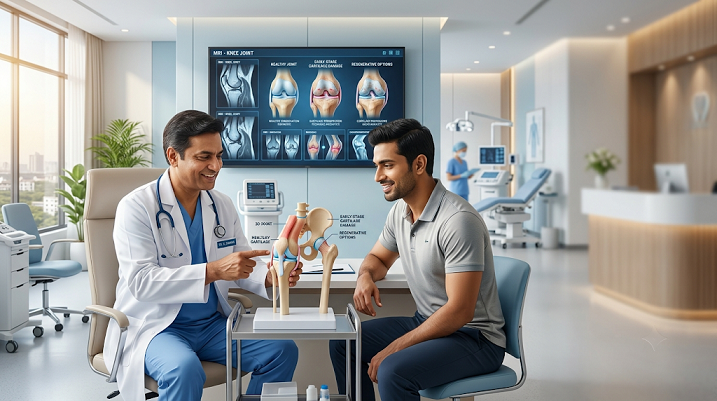
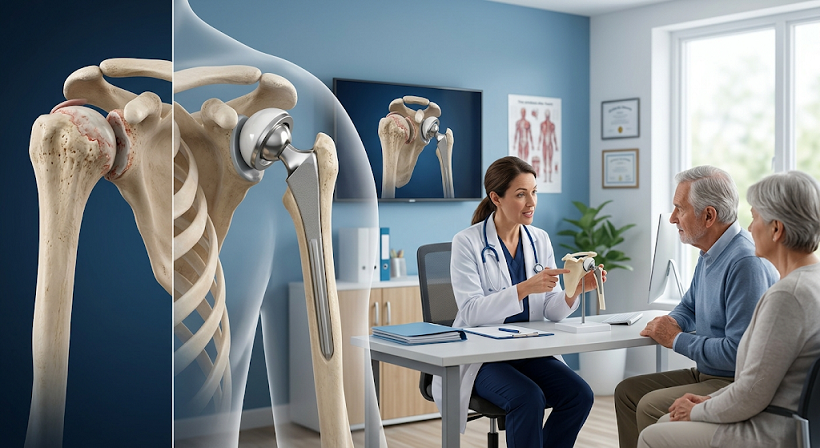
Joint Anatomy

Symptoms of Joint Preservation Treatment

  • Persistent joint pain evaluated in hip pain or knee pain care
  • Mild to moderate swelling around the affected joint socket
  • Joint stiffness, especially after rest or early morning stiffness
  • Difficulty walking, climbing stairs, or bending the joint
  • Reduced joint mobility with early signs of cartilage wear

Causes of Joint Preservation Treatment

  • Osteoarthritis: Early wear and tear breakdown of joint cartilage.
  • Rheumatoid Arthritis: Chronic autoimmune joint lining inflammation.
  • Sports Injuries: Cartilage tears or ligament damage affecting alignment.
  • Joint Misalignment: Uneven joint weight bearing causing cartilage overload.
Joint Pain

Who Needs Joint Preservation?

Joint Preservation Treatment is recommended for active patients seeking to delay or prevent knee replacement or hip replacement surgery:

  • Early-Stage Arthritis Patients Mild to moderate joint degeneration where partial cartilage remains intact.
  • Focal Cartilage & Ligament Injuries Localized damage treated via keyhole knee arthroscopy or meniscus repair.
  • Limb & Joint Alignment Issues Bow legs or knock knees suitable for surgical deformity correction.
  • Young & Active Individuals Athletes and active adults aiming for non-prosthetic joint longevity.
CTA Background

Ready to get started?

Schedule a consultation with our orthopedic specialists today for a personalized assessment.

Diagnosis of Joint Preservation Treatment

Accurate diagnosis is the first step toward effective treatment. Our comprehensive diagnostic process ensures a tailored plan for optimal results.

Physical examination
X-ray
MRI
Blood tests
CT Scan

Treatment Options for Joint Preservation Treatment

Depending on the severity of joint damage, the following treatment options may be recommended:

Medications (Pain relievers and anti-inflammatory medicines)
Targeted Physical Therapy & Rehabilitation
PRP & Viscosupplementation Injections (Joint lubrication therapy)
Surgical Joint Preservation (Cartilage restoration, osteotomy, or keyhole surgery)

Types of Joint Preservation Treatment

Cartilage Restoration

Repairs damaged cartilage to preserve natural joint mechanics and function.

Realignment Osteotomy

Realigns the bone to shift load away from worn cartilage areas.

Arthroscopic Preservation

Minimally invasive keyhole joint surgery to repair cartilage and soft tissues.

Regenerative Orthobiologics

Uses PRP and stem cell biological injections to accelerate joint healing.

Technology & Equipment Used in Joint Preservation Treatment

Robotic Assistance

Computer Navigation

Digital X-ray

Modern Implants

Joint Preservation Treatment

A precise and personalized approach for better outcomes and faster recovery.

1

Admission

Pre-treatment evaluation, tests and hospital admission.

2

Anaesthesia

You will be given spinal or general anaesthesia to ensure a pain-free Treatment.

3

Treatment

Damaged bone and cartilage are carefully removed to prepare the joint.

4

Implant

Artificial joint (prosthesis) is precisely positioned and the joint is realigned.

Benefits / Advantages of Joint Preservation Treatment

Pain Relief

Dramatic relief from chronic joint pain.

Better Walking

Enhances function and stabilizes the joint.

Improved Mobility

Regain full range of motion.

Better Quality of Life

Return to a positive, active lifestyle.

Potential Risks of Joint Preservation Treatment

Infection

Blood Clot

Implant Wear

Nerve Injury

Recovery Timeline for Joint Preservation Treatment

Week 1
Hospital stay, initial physiotherapy, and walking with a walker.
Week 2
Stitches removed, transitioning to a cane, continued exercises.
1 Month
Walking independently, returning to light activities and driving.
3 Months
Significant improvement in strength and flexibility. Most daily activities resumed.
6 Months
Full recovery achieved. Joint feels natural.

Physiotherapy After Joint Preservation Treatment

Physical therapy is crucial for a successful recovery, helping restore strength and range of motion.

Exercises
Walking
Strengthening
Home Care
Physiotherapy

Cost of Joint Preservation in Patna

The exact cost of joint preservation Treatment varies from patient to patient. We provide transparent pricing customized to your specific medical needs.

Factors Affecting Cost

Type of implant used, surgical technique (Robotic vs. Manual), and hospital stay duration.

Insurance Support

We accept all major health insurance policies and TPA networks for your convenience.

Cashless Treatment

Cashless facilities are available under Ayushman Bharat and selected corporate insurance plans.

Why Choose Dr. Abhijeet Jayaswal?

MBBS, M.S.(Ortho), DNB (Ortho) 10+ Years Experience Popular Orthopaedic Hospital
  • Fellowship Training: Completed prestigious fellowships in sports medicine, joint, and shoulder arthroscopy from Deenanath Mangeshkar Hospital, Pune.
  • Clinical Experience: Over 10+ years of clinical experience, combining advanced training with a patient-centric approach to deliver exceptional orthopedic care.
  • Patient-Centered Care: Dedicated to delivering personalized and effective care tailored to each patient's unique needs with meticulous attention to detail.
  • Advanced Technology: Focused on the latest advancements in orthopaedics to ensure the best possible outcomes and cutting-edge treatment options.
Dr. Abhijeet Jayaswal

Frequently Asked Questions