Bone Fixation Treatment In Patna

Home > Bone Fixation

What is Bone Fixation Treatment?

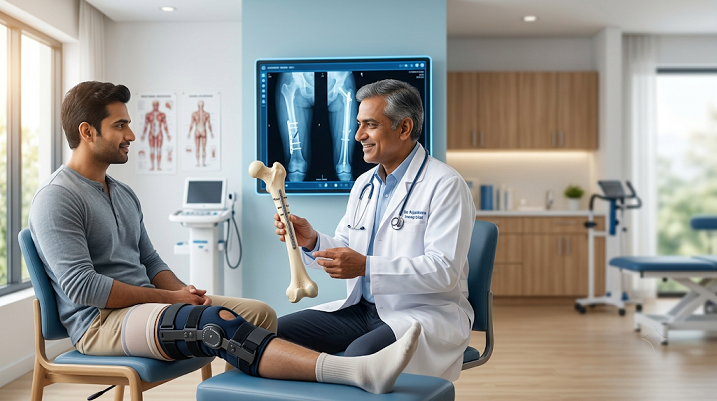
Bone Fixation Treatment, or Open Reduction and Internal Fixation (ORIF), is a procedure used to manually realign and mechanically stabilize severely broken bones.

The procedure involves surgically placing specialized hardware—such as titanium plates, screws, and intramedullary rods—directly onto or inside the bone to hold the pieces perfectly in place while they heal.
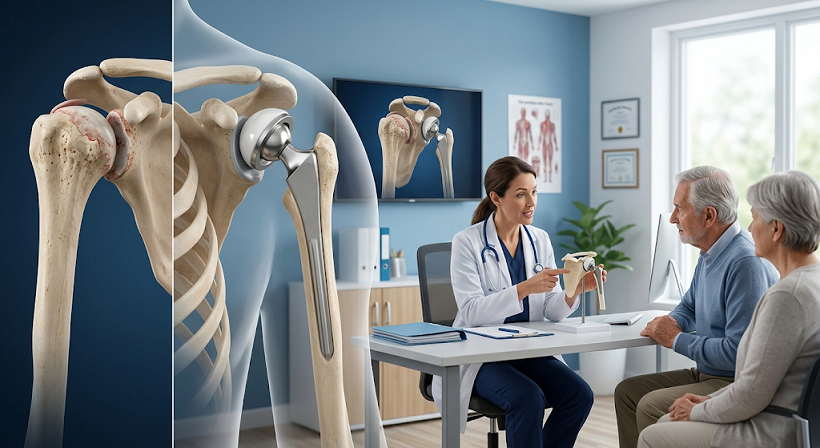
Bone Anatomy

Symptoms of Bone Fixation Treatment

  • Severe bone pain after a fracture or injury
  • Swelling and tenderness around the broken bone
  • Difficulty moving or bearing weight on the affected limb
  • Visible bone deformity or abnormal bone alignment
  • Reduced mobility due to an unstable or displaced fracture

Causes of Bone Fixation Treatment

  • Road Accidents: High-impact injuries causing severe bone fractures.
  • Sports Injuries: Fractures or bone injuries during physical activities.
  • Falls: Broken bones resulting from slips, falls, or accidental trauma.
  • Severe Fractures: Displaced or unstable fractures requiring surgical fixation.
Bone Pain

Who Needs Bone Fixation?

Bone Fixation Treatment is recommended for patients with severe or unstable fractures that cannot heal properly with a cast or splint alone:

  • Unstable Fractures Broken bones that cannot remain properly aligned with a cast or splint.
  • Comminuted Fractures Bones broken into multiple pieces requiring plates, screws, or rods for stabilization.
  • Non-Healing Fractures Fractures that fail to heal properly and require surgical bone stabilization.
  • Long Bone Fractures Severe fractures of the femur, tibia, or humerus requiring internal fixation.
CTA Background

Ready to get started?

Schedule a consultation with our orthopedic specialists today for a personalized assessment.

Diagnosis of Bone Fixation Treatment

Accurate diagnosis is the first step toward effective treatment. Our comprehensive diagnostic process ensures a tailored surgical plan for optimal results.

Physical examination
X-ray
MRI
Blood tests
CT Scan

Treatment Options for Bone Fixation Treatment

Depending on the type and severity of the fracture, the following treatment options may be recommended:

Medications (Pain relievers and anti-inflammatory medicines to manage pain)
Immobilization (Casts or splints to keep the fractured bone stable during healing)
External Fixation (External frames used to stabilize complex or open fractures)
Internal Fixation Surgery (Plates, screws, or rods used to stabilize broken bones and support proper healing)

Types of Bone Fixation Treatment

Plate Fixation

Metal plates and screws are used to stabilize broken bones and maintain proper alignment.

Screw Fixation

Specialized screws are used to secure fractured bone fragments during healing.

Intramedullary Nailing

A metal rod is inserted inside the bone to stabilize long bone fractures.

External Fixation

An external frame is used to stabilize complex or open fractures while the bone heals.

Technology & Equipment Used in Bone Fixation Treatment

Robotic Assistance

Computer Navigation

Digital X-ray

Modern Implants

Bone Fixation Treatment

A precise and personalized approach for better outcomes and faster recovery.

1

Admission

Pre-treatment evaluation, tests and hospital admission.

2

Anaesthesia

You will be given spinal or general anaesthesia to ensure a pain-free Treatment.

3

Treatment

Damaged bone and cartilage are carefully removed to prepare the joint.

4

Implant

Artificial joint (prosthesis) is precisely positioned and the bone is realigned.

Benefits / Advantages of Bone Fixation Treatment

Pain Relief

Dramatic relief from chronic bone pain.

Better Walking

Enhances function and stabilizes the bone.

Improved Mobility

Regain full range of motion.

Better Quality of Life

Return to a positive, active lifestyle.

Potential Risks of Bone Fixation Treatment

Infection

Blood Clot

Implant Wear

Nerve Injury

Recovery Timeline for Bone Fixation Treatment

Week 1
Hospital stay, initial physiotherapy, and walking with a walker.
Week 2
Stitches removed, transitioning to a cane, continued exercises.
1 Month
Walking independently, returning to light activities and driving.
3 Months
Significant improvement in strength and flexibility. Most daily activities resumed.
6 Months
Full recovery achieved. Bone feels natural.

Physiotherapy After Bone Fixation Treatment

Physical therapy is crucial for a successful recovery, helping restore strength and range of motion.

Exercises
Walking
Strengthening
Home Care
Physiotherapy

Cost of Bone Fixation in Patna

The exact cost of bone fixation Treatment varies from patient to patient. We provide transparent pricing customized to your specific medical needs.

Factors Affecting Cost

Type of implant used, surgical technique (Robotic vs. Manual), and hospital stay duration.

Insurance Support

We accept all major health insurance policies and TPA networks for your convenience.

Cashless Treatment

Cashless facilities are available under Ayushman Bharat and selected corporate insurance plans.

Why Choose Dr. Abhijeet Jayaswal?

MBBS, M.S.(Ortho), DNB (Ortho) 10+ Years Experience Popular Orthopaedic Hospital
  • Fellowship Training: Completed prestigious fellowships in sports medicine, bone, and shoulder arthroscopy from Deenanath Mangeshkar Hospital, Pune.
  • Clinical Experience: Over 10+ years of clinical experience, combining advanced training with a patient-centric approach to deliver exceptional orthopedic care.
  • Patient-Centered Care: Dedicated to delivering personalized and effective care tailored to each patient's unique needs with meticulous attention to detail.
  • Advanced Technology: Focused on the latest advancements in orthopaedics to ensure the best possible outcomes and cutting-edge treatment options.
Dr. Abhijeet Jayaswal

Frequently Asked Questions