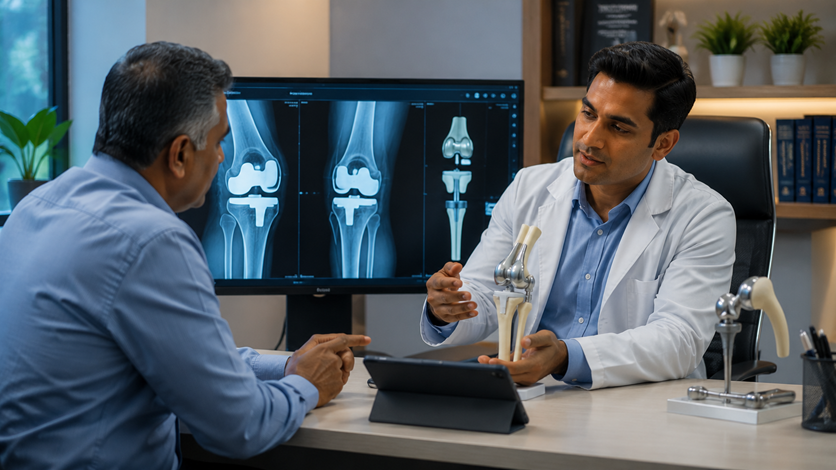
Joint replacement surgery is one of the most successful orthopedic procedures for relieving chronic joint pain and improving mobility. However, in some cases, the artificial joint may wear out, loosen, become infected, or stop functioning properly over time. When this happens, a second procedure called Revision Joint Replacement Surgery may be required.
At Dr. Abhijeet Jayaswal Clinic, advanced revision joint replacement procedures are performed under the expert care of Dr. Abhijeet Jayaswal using modern orthopedic techniques and personalized rehabilitation care.
What is Revision Joint Replacement Surgery?
Revision Joint Replacement Surgery is a procedure performed to replace or repair a previously implanted artificial joint that has failed or developed complications. It is commonly done for knee or hip replacements when the original implant no longer functions properly.
The surgery involves removing the old implant and replacing it with a new prosthesis to restore joint stability, reduce pain, and improve movement.
Common Reasons for Revision Joint Replacement Surgery
| Cause | Description | Common Symptoms |
|---|---|---|
| Implant Wear & Tear | Artificial joint wears out over time | Pain and stiffness |
| Implant Loosening | Joint implant becomes unstable | Difficulty walking |
| Infection | Bacterial infection around implant | Swelling, redness, fever |
| Joint Instability | Artificial joint becomes unstable | Recurrent dislocation |
| Fracture Around Implant | Bone fracture near replacement joint | Severe pain and immobility |
Signs You May Need Revision Joint Replacement Surgery
1. Persistent Joint Pain

If pain continues or returns after joint replacement surgery, it may indicate implant loosening, infection, or wear and tear.
Common Symptoms
- Continuous knee or hip pain
- Pain while walking or standing
- Swelling around the joint
- Reduced mobility
2. Difficulty Walking or Joint Instability

A loose or unstable implant can affect balance and movement, making daily activities difficult.
Warning Signs
- Feeling that the joint is giving way
- Limping or instability
- Difficulty climbing stairs
- Limited movement
3. Swelling, Redness, or Infection
Infection around a joint implant is a serious condition that may require revision surgery.Symptoms of Infection
- Redness and warmth around the joint
- Fever or chills
- Persistent swelling
- Drainage from surgical site
Early diagnosis and treatment are important to prevent complications.
4. Implant Wear and Tear Over Time
Artificial joints are durable but may gradually wear out after many years of use, especially in active individuals.
Risk Factors
- High physical activity
- Obesity
- Long-term implant use
- Weak surrounding bone structure
5. Fracture Around the Artificial Joint
A fall or injury can cause fractures around the artificial joint, affecting implant stability.
Symptoms
- Sudden severe pain
- Inability to bear weight
- Swelling and deformity
- Restricted movement
Difference Between Primary and Revision Joint Replacement
| Feature | Primary Joint Replacement | Revision Joint Replacement |
|---|---|---|
| Purpose | First-time joint replacement | Replacement of failed implant |
| Complexity | Standard procedure | More complex surgery |
| Surgery Duration | Shorter | Longer |
| Recovery Time | Faster recovery | May require extended rehabilitation |
| Implant Used | Standard implant | Specialized revision implant |
How Revision Joint Replacement Surgery is Performed
Revision surgery begins with a detailed orthopedic evaluation, imaging tests, and assessment of the existing implant.
The Procedure May Include:
- Removal of damaged implant
- Cleaning infected or damaged tissue
- Bone reconstruction if needed
- Placement of new artificial joint components
Advanced surgical planning helps restore joint function and improve long-term outcomes.
Recovery After Revision Joint Replacement Surgery
Recovery depends on the complexity of surgery and overall patient health.
Rehabilitation May Include:
- Physiotherapy exercises
- Walking support initially
- Muscle strengthening programs
- Regular orthopedic follow-up
Most patients gradually regain mobility and experience improved joint function with proper rehabilitation.
Tips to Protect Your Joint Replacement
- Maintain a healthy body weight
- Avoid excessive high-impact activities
- Follow rehabilitation exercises regularly
- Attend regular orthopedic check-ups
- Seek medical advice if pain or swelling develops
When Should You Consult an Orthopedic Surgeon?
You should consult an orthopedic specialist if you experience:
- Persistent pain after joint replacement
- Swelling or redness around the implant
- Joint instability or stiffness
- Difficulty walking
- Signs of infection or trauma
Early diagnosis helps prevent complications and improves treatment success.
Revision Joint Replacement Surgery in Patna
At Dr. Abhijeet Jayaswal Clinic, comprehensive orthopedic care is available for patients requiring advanced revision joint replacement surgery.
Services Available
- Knee Revision Surgery
- Hip Revision Surgery
- Implant Evaluation
- Orthopedic Rehabilitation
- Infection Management
- Advanced Joint Replacement Care
Why Choose Dr. Abhijeet Jayaswal?
- Experienced orthopedic and joint replacement specialist
- Advanced surgical techniques and modern implants
- Personalized rehabilitation programs
- Comprehensive orthopedic care under one roof
- Patient-centered and compassionate approach
Qualifications:
MBBS, M.S. (Ortho), DNB (Ortho)
Conclusion
Revision Joint Replacement Surgery can effectively restore mobility, relieve pain, and improve quality of life when a previous joint replacement fails or develops complications. Recognizing the warning signs early and consulting an experienced orthopedic surgeon is essential for successful treatment and recovery.
If you are experiencing pain or problems after joint replacement surgery, consult Dr. Abhijeet Jayaswal for expert evaluation and advanced orthopedic care in Patna.
Ready to get started?
Schedule a consultation with our orthopedic specialists today for a personalized assessment.