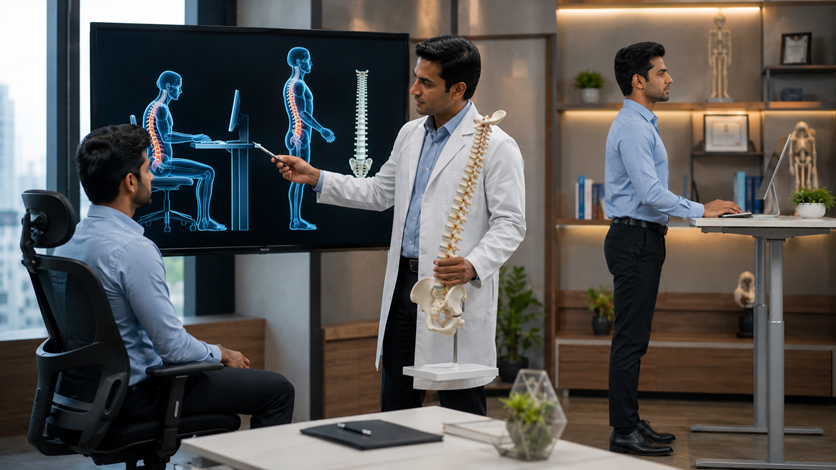
Modern lifestyles often require people to spend long hours sitting at desks, working on computers, or standing for extended periods. Both sitting and standing affect spinal health, posture, and overall body mechanics. Poor posture habits can lead to back pain, neck strain, muscle fatigue, and long-term spinal problems.
At Dr. Abhijeet Jayaswal Clinic, advanced spine care and orthopedic treatment are provided under the expert supervision of Dr. Abhijeet Jayaswal to help patients maintain healthy posture and prevent spine-related disorders.
Understanding Spine and Posture
The spine supports body weight, protects the spinal cord, and helps maintain balance and movement. Good posture keeps the spine properly aligned, reducing unnecessary stress on muscles, joints, and ligaments.
Poor sitting or standing habits can lead to:
- Chronic back pain
- Neck stiffness
- Shoulder tension
- Muscle fatigue
- Disc-related problems
Sitting vs. Standing: Quick Comparison
| Factor | Sitting for Long Hours | Standing for Long Hours |
|---|---|---|
| Spine Pressure | Increased lower back pressure | Increased leg and lower back strain |
| Posture Impact | Slouching and rounded shoulders | Stress on knees and feet |
| Muscle Activity | Reduced muscle engagement | Increased muscle fatigue |
| Energy Levels | May reduce circulation | Improves movement and blood flow |
| Best Practice | Maintain ergonomic posture | Alternate with sitting breaks |
How Sitting Affects Your Spine
Long hours of sitting, especially with poor posture, can place excessive pressure on the lower back and spinal discs.
Common Problems Caused by Prolonged Sitting
- Lower back pain
- Neck and shoulder stiffness
- Slipped disc risk
- Poor blood circulation
- Weak core muscles
Why Sitting Can Be Harmful
When sitting for extended periods:
- Hip flexor muscles tighten
- Core muscles weaken
- Spinal discs experience more pressure
- Posture gradually worsens
Slouching while using mobile phones or laptops can further strain the cervical spine.
How Standing Affects Your Spine

Standing helps improve movement and circulation, but standing continuously without proper support can also cause discomfort.
Problems Caused by Excessive Standing
- Leg fatigue
- Lower back strain
- Knee discomfort
- Foot pain
- Muscle tiredness
Benefits of Standing
- Encourages better posture
- Activates muscles
- Improves calorie burning
- Enhances blood circulation
- Reduces prolonged spinal pressure
However, standing with incorrect posture may still lead to spinal stress.
What is the Best Position for Spine Health?
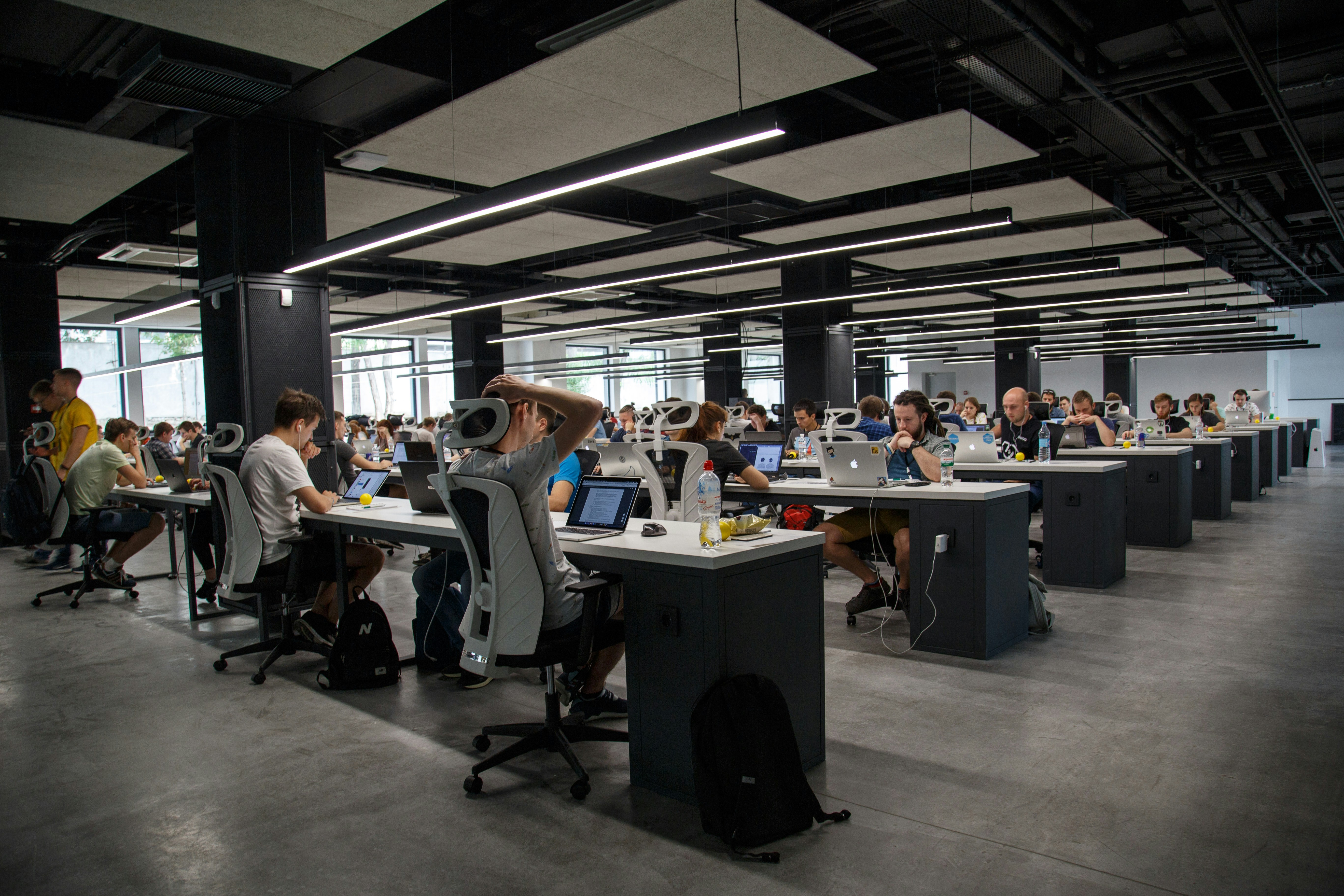
The best approach is not choosing only sitting or standing — it is maintaining balance between both.
Spine Experts Recommend:
- Alternate between sitting and standing
- Take movement breaks every 30–45 minutes
- Maintain ergonomic posture while working
- Avoid staying in one position for too long
Regular movement helps reduce stress on the spine and muscles.
Tips for Healthy Sitting Posture
| Healthy Sitting Tips | Benefits |
|---|---|
| Keep feet flat on floor | Improves spinal alignment |
| Sit with straight back | Reduces lower back strain |
| Use lumbar support | Supports natural spine curve |
| Keep screen at eye level | Prevents neck strain |
| Avoid slouching | Maintains posture balance |
Tips for Healthy Standing Posture
| Healthy Standing Tips | Benefits |
|---|---|
| Keep shoulders relaxed | Reduces upper body tension |
| Distribute weight evenly | Prevents back strain |
| Avoid locking knees | Improves circulation |
| Wear supportive footwear | Reduces foot and knee stress |
| Take sitting breaks | Prevents muscle fatigue |
Importance of Ergonomic Workstations
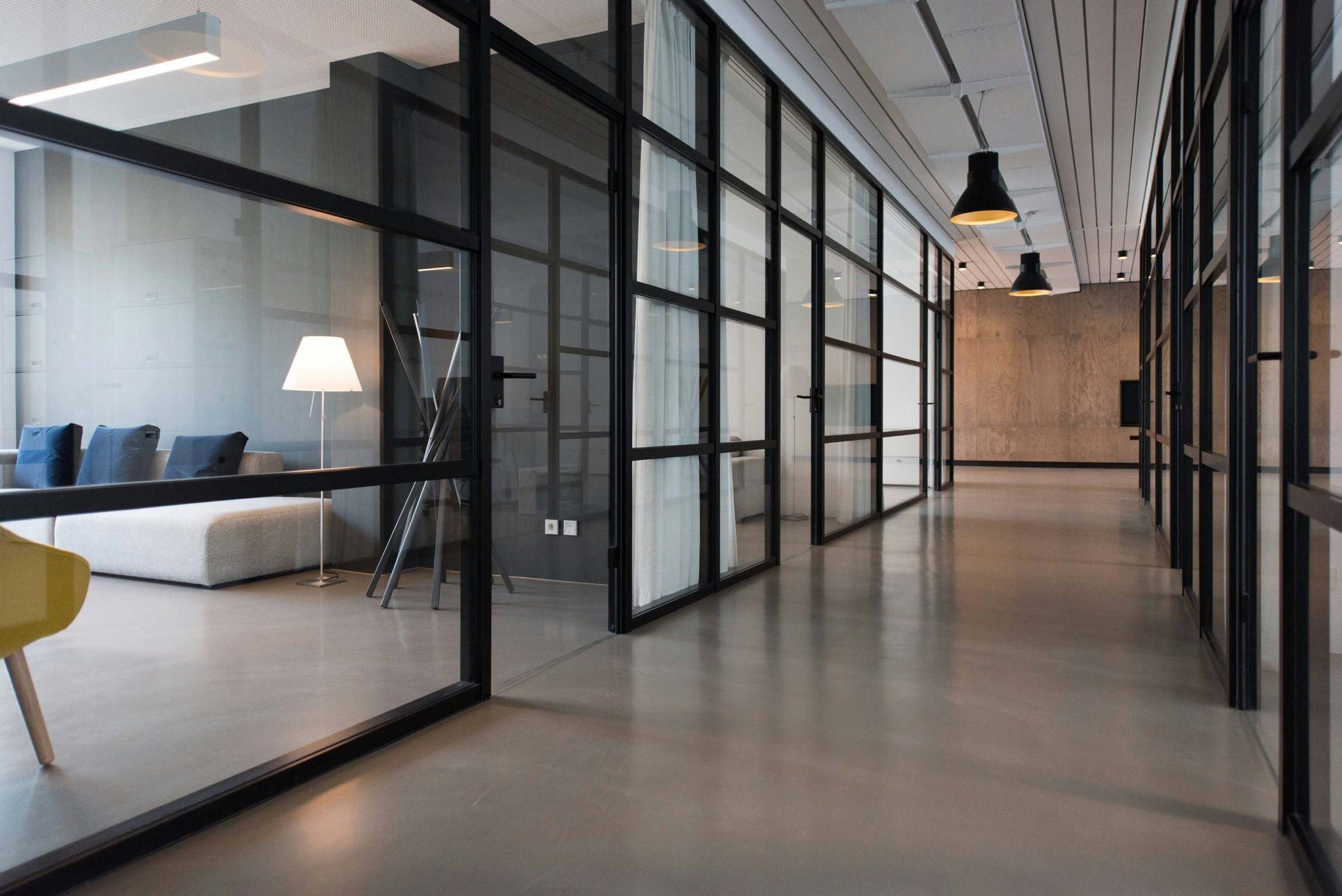
An ergonomic workspace helps maintain proper posture and reduces stress on the spine.
Ergonomic Recommendations
- Adjustable chair with lumbar support
- Proper desk height
- Screen positioned at eye level
- Keyboard and mouse within easy reach
- Foot support if needed
Good ergonomics can significantly reduce neck and back pain.
Exercises to Improve Posture and Spine Health
Regular exercise helps strengthen muscles supporting the spine.
Recommended Exercises
- Stretching exercises
- Core strengthening
- Yoga and Pilates
- Neck mobility exercises
- Walking and light physical activity
Strong muscles improve posture and reduce spinal stress.
Signs Your Spine May Be Under Stress
You should pay attention to:
- Persistent neck or back pain
- Tingling or numbness
- Shoulder stiffness
- Poor posture habits
- Difficulty standing or sitting comfortably
Early evaluation helps prevent long-term spinal complications.
When Should You Consult a Spine Specialist?
You should consult an orthopedic spine specialist if you experience:
- Chronic back or neck pain
- Posture-related discomfort
- Radiating pain in arms or legs
- Difficulty sitting or standing for long periods
- Spine stiffness affecting daily activities
Early diagnosis and treatment help improve posture and prevent worsening spinal conditions.
Spine Care Treatment in Patna
At Dr. Abhijeet Jayaswal Clinic, advanced spine and orthopedic care is available for posture-related and spine disorders.
Services Available
- Spine Evaluation & Diagnosis
- Back and Neck Pain Treatment
- Posture Correction Guidance
- Physiotherapy & Rehabilitation
- Non-Surgical Spine Care
- Advanced Spine Surgery
Why Choose Dr. Abhijeet Jayaswal?
- Experienced orthopedic and spine specialist
- Advanced spine diagnosis and treatment
- Personalized rehabilitation programs
- Comprehensive orthopedic care
- Patient-focused treatment approach
Qualifications:
MBBS, M.S. (Ortho), DNB (Ortho)
Conclusion
Both sitting and standing affect spinal health when done excessively or with poor posture. The key to maintaining a healthy spine is balance, regular movement, ergonomic habits, and proper posture awareness.
Alternating between sitting and standing, strengthening core muscles, and maintaining ergonomic work habits can significantly reduce the risk of spine-related problems.
If you experience posture-related pain or spinal discomfort, consult Dr. Abhijeet Jayaswal for expert spine care and orthopedic treatment in Patna.
Ready to get started?
Schedule a consultation with our orthopedic specialists today for a personalized assessment.