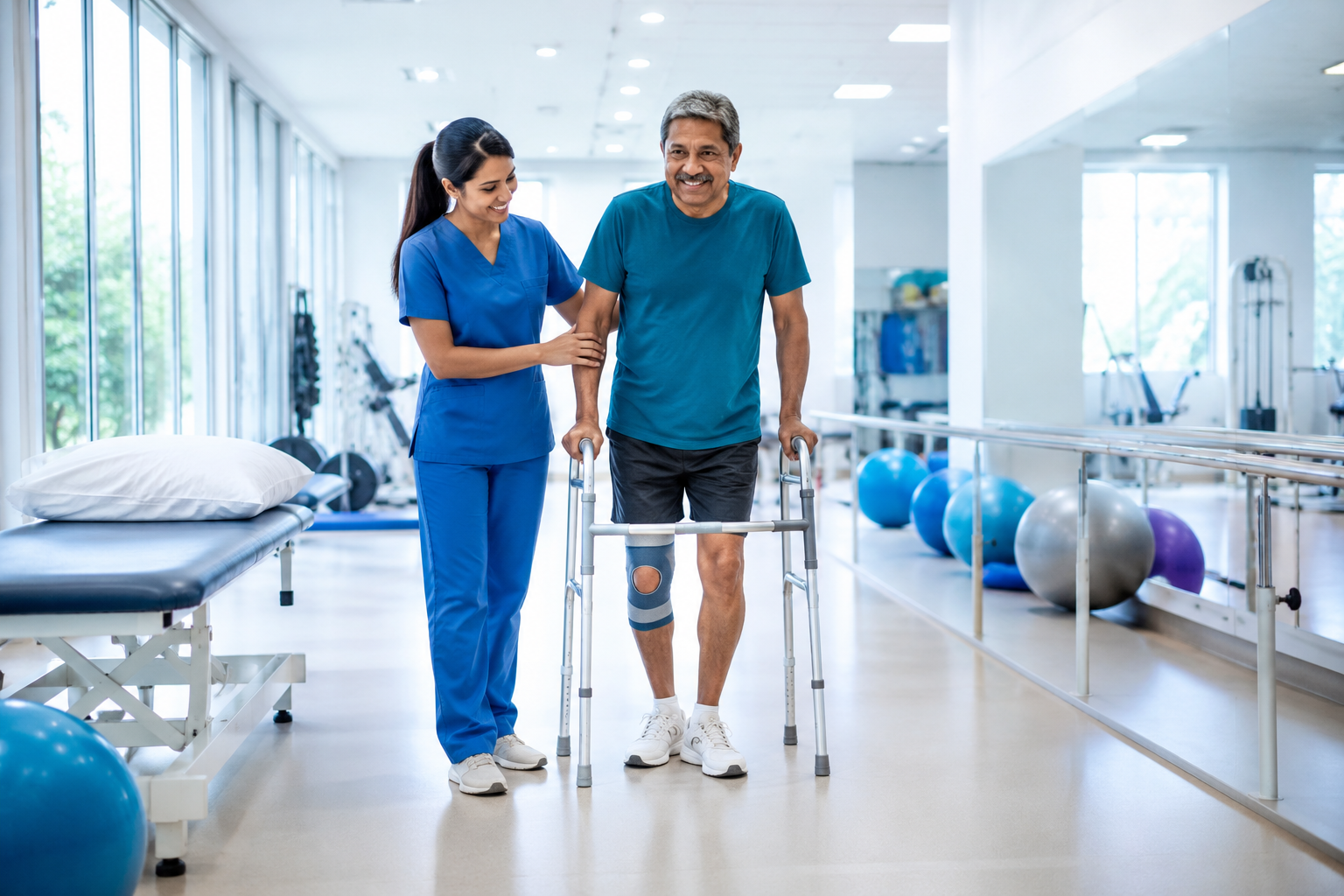
Knee replacement surgery is one of the most successful treatments for severe knee arthritis and chronic joint pain. While the surgery relieves pain and restores joint function, the recovery process plays an equally important role in achieving the best results. Proper rehabilitation helps you regain strength, improve mobility, and return to your daily activities with confidence.
Many patients expect immediate recovery after surgery, but healing takes time. Following a structured rehabilitation program under the guidance of your orthopedic surgeon and physiotherapist is essential for a successful outcome. If you have recently undergone Knee Replacement Surgery in Patna, understanding the rehabilitation process can help you recover safely and effectively.
Why Is Rehabilitation Important After Knee Replacement Surgery?
Rehabilitation is designed to restore movement, strengthen the muscles around the knee, and improve flexibility. Without proper rehabilitation, the new knee joint may become stiff, and recovery can take longer than expected.
A well-planned rehabilitation program helps reduce pain and swelling, improves balance, increases walking ability, and allows patients to regain independence in their everyday activities.
What to Expect After Surgery
Recovery begins immediately after the operation. Most patients are encouraged to stand and walk with assistance within 24 hours of surgery. Early movement helps improve blood circulation, reduces the risk of complications, and supports faster healing.
Patients suffering from arthritis often undergo surgery after conservative treatments such as Arthritis Treatment in Patna no longer provide sufficient relief.
Rehabilitation Timeline After Knee Replacement
First Week
The focus during the first week is controlling pain and swelling while beginning gentle knee movements. Patients learn to walk with the support of a walker or crutches and perform simple exercises to improve blood circulation and prevent stiffness.
Weeks Two to Six
As healing progresses, physiotherapy becomes more intensive. The goal is to increase knee flexibility, strengthen the muscles around the joint, and improve walking ability. Most patients gradually become more comfortable performing daily activities during this stage.
Six Weeks to Three Months
By this time, many patients can walk independently for longer distances and resume light household or office activities. Muscle strength and knee movement continue to improve with regular exercise.
Three to Six Months
Most patients experience significant improvement in mobility and pain relief. Daily activities become easier, and many people return to low-impact recreational activities such as walking, cycling, or swimming after medical approval.
Recovery Timeline at a Glance
| Recovery Stage | What to Expect |
|---|---|
| First Week | Walking with support, pain and swelling gradually improve |
| 2–6 Weeks | Better knee movement, increased strength, regular physiotherapy |
| 6–12 Weeks | Improved walking, greater independence in daily activities |
| 3–6 Months | Enhanced mobility and return to most routine activities |
Exercises During Rehabilitation
Exercise is an important part of recovery after knee replacement surgery. Gentle stretching and strengthening exercises help restore knee movement and improve muscle strength. Your physiotherapist will recommend exercises based on your progress and overall health.
Patients can also read our detailed guide on Common Signs of Arthritis You Should Know to understand how arthritis affects joint health.
Tips for a Faster Recovery
Successful rehabilitation depends on following your surgeon's instructions carefully. Taking medications as prescribed, attending physiotherapy sessions, maintaining a healthy diet, staying physically active within recommended limits, and avoiding high-impact activities all contribute to a smoother recovery.
Patients should also keep the surgical wound clean, monitor for signs of infection, and attend all follow-up appointments.

When Should You Contact Your Orthopedic Surgeon?
Although most patients recover without complications, you should seek medical attention if you experience increasing pain that does not improve with medication, excessive swelling, redness around the incision, fever, wound discharge, difficulty walking, or sudden calf pain and swelling.
Early medical evaluation helps prevent complications and supports a safe recovery.
Common Recovery Challenges
| Challenge | Recommended Approach |
|---|---|
| Knee stiffness | Continue physiotherapy and prescribed exercises |
| Mild swelling | Elevate the leg and apply cold therapy as advised |
| Difficulty walking | Use walking support until your surgeon recommends otherwise |
| Muscle weakness | Follow a supervised strengthening program |
| Pain during activity | Avoid overexertion and consult your doctor if pain persists |
Why Choose Dr. Abhijeet Jayaswal for Knee Replacement Care?
Dr. Abhijeet Jayaswal provides comprehensive orthopedic care, from accurate diagnosis and advanced Knee Replacement Surgery in Patna to personalized rehabilitation planning. Every patient receives a recovery program designed to restore mobility, reduce pain, and achieve the best possible long-term outcome. His patient-centered approach ensures continuous support throughout every stage of recovery.
Frequently Asked Questions
How long does rehabilitation take after knee replacement surgery?
Most patients recover significantly within three months, although complete healing and strength improvement may continue for up to one year.
When can I walk after knee replacement surgery?
Many patients begin walking with assistance within 24 hours after surgery, depending on their overall health and recovery progress.
Is physiotherapy necessary after knee replacement?
Yes. Physiotherapy is one of the most important parts of recovery and helps restore strength, flexibility, and normal knee movement.
When can I return to normal daily activities?
Light daily activities usually resume within six to twelve weeks, while complete recovery varies from person to person.
Can I climb stairs after knee replacement surgery?
Yes. Most patients gradually regain the ability to climb stairs as strength and mobility improve during rehabilitation.
Final Thoughts
Rehabilitation is just as important as the surgery itself. Following a structured recovery program, attending regular physiotherapy sessions, and staying active under medical guidance can help you regain confidence and enjoy a pain-free lifestyle.
If you are planning Knee Replacement Surgery in Patna or need expert guidance during your recovery, consult Dr. Abhijeet Jayaswal for personalized orthopedic care and a comprehensive rehabilitation plan that supports long-term joint health and mobility.
Ready to get started?
Schedule a consultation with our orthopedic specialists today for a personalized assessment.