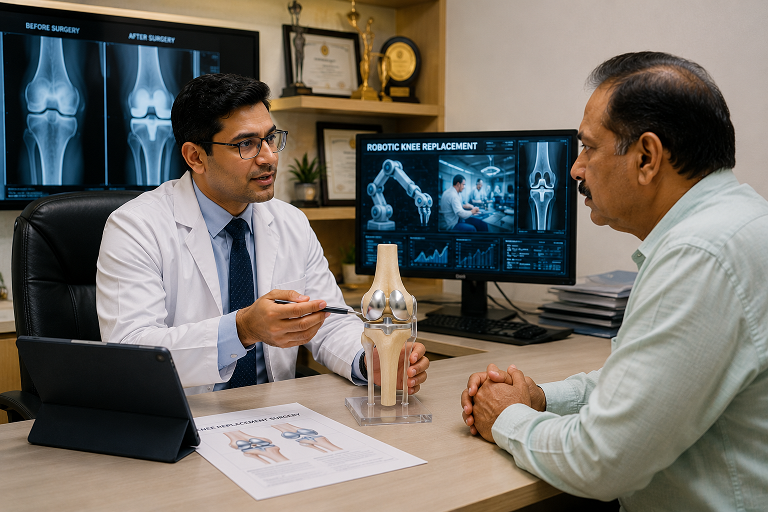
Joint replacement surgery is one of the most advanced and successful orthopedic procedures used to relieve chronic joint pain and restore mobility. However, many patients still feel anxious before surgery and often ask questions about safety, complications, recovery time, and long-term results.
At Dr. Abhijeet Jayaswal Clinic, advanced knee and hip replacement procedures are performed using modern orthopedic techniques, high-quality implants, and personalized rehabilitation programs to ensure safe recovery and better mobility outcomes.
Understanding the facts about joint replacement surgery can help patients make informed and confident healthcare decisions.
What is Joint Replacement Surgery?
Joint replacement surgery is a procedure where a damaged or worn-out joint is replaced with an artificial implant. It is commonly performed for patients suffering from severe arthritis, chronic pain, or joint damage.
Common Conditions Treated
- Knee Arthritis
- Hip Arthritis
- Joint Degeneration
- Sports Injuries
- Joint Deformities
- Chronic Joint Pain
The main goal is to reduce pain, improve mobility, and restore normal daily activities.
Common Patient Concerns About Joint Replacement Surgery
1. Is Joint Replacement Surgery Safe?
Modern joint replacement surgery is considered highly safe and effective when performed by an experienced orthopedic surgeon using advanced medical technology.
Today’s procedures involve:
- Minimally invasive surgical techniques
- Advanced anesthesia monitoring
- Infection prevention protocols
- High-quality implants
- Robotic-assisted precision surgery
- Faster rehabilitation programs
Most patients experience significant pain relief and improved quality of life after surgery.

2. What Are the Risks of Joint Replacement Surgery?
Like any major surgery, joint replacement procedures may involve certain risks. However, serious complications are relatively uncommon with proper medical care.
Common Risks and Prevention Methods
| Possible Risk | Prevention & Management |
|---|---|
| Infection | Sterile operation theatres and antibiotics |
| Blood Clots | Early walking and blood thinner medications |
| Implant Loosening | Advanced implant fixation techniques |
| Joint Stiffness | Regular physiotherapy exercises |
| Swelling | Ice therapy and medications |
| Pain After Surgery | Modern pain management protocols |
Early diagnosis and proper rehabilitation significantly reduce complications.

3. How Long Does an Artificial Joint Last?
Modern implants are designed to last for many years. In most cases, artificial knee and hip joints can last 15–25 years or longer depending on:
- Patient activity level
- Weight management
- Implant quality
- Bone strength
- Rehabilitation compliance
Many patients enjoy long-term mobility and pain-free movement after surgery.
4. Is Recovery Very Painful?
Pain management techniques have improved significantly in recent years.
Most hospitals now use:
- Advanced anesthesia techniques
- Multimodal pain management
- Early physiotherapy programs
- Minimally invasive surgery
Most patients begin standing or walking within 1–2 days after surgery under medical supervision.
Benefits of Joint Replacement Surgery
Major Benefits Include
| Benefits | Impact on Daily Life |
|---|---|
| Pain Relief | Reduced chronic joint pain |
| Improved Mobility | Easier walking and movement |
| Better Flexibility | Improved joint function |
| Enhanced Quality of Life | Better comfort and independence |
| Improved Sleep | Reduced pain-related discomfort |
| Return to Daily Activities | Easier routine functioning |
Rehabilitation May Include
- Physiotherapy exercises
- Walking support initially
- Muscle strengthening programs
- Lifestyle modifications
- Regular orthopedic follow-up
Following rehabilitation instructions properly helps improve long-term results.
Tips for Faster Recovery
Important Recovery Tips
- Follow physiotherapy regularly
- Maintain a healthy body weight
- Stay physically active
- Avoid excessive strain initially
- Take medications as prescribed
- Attend regular follow-up appointments

Can Elderly Patients Undergo Joint Replacement?
Yes. Age alone is not a limitation for joint replacement surgery.
Before surgery, orthopedic specialists carefully evaluate:
- Heart health
- Blood pressure
- Diabetes control
- Bone condition
- Overall fitness level
Many elderly patients successfully regain mobility and independence after surgery.
Joint Replacement Surgery in Patna
At Dr. Abhijeet Jayaswal Clinic, comprehensive orthopedic care is available for patients suffering from severe knee and hip problems.
Services Available
- Knee Replacement Surgery
- Hip Replacement Surgery
- Robotic Joint Replacement
- Arthritis Treatment
- Orthopedic Rehabilitation
- Sports Injury Care
- Advanced Joint Replacement Care
Why Choose Dr. Abhijeet Jayaswal?
- Experienced Orthopedic and Joint Replacement Specialist
- Advanced Surgical Techniques and Modern Implants
- Personalized Rehabilitation Programs
- Comprehensive Orthopedic Care Under One Roof
- Patient-Centered and Compassionate Approach
Qualifications
MBBS, M.S. (Ortho), DNB (Ortho)
When Should You Consult an Orthopedic Specialist?
You should consult an orthopedic expert if you experience:
- Severe knee or hip pain
- Difficulty standing or walking
- Joint stiffness affecting daily life
- Swelling around the joints
- Reduced mobility despite medications
Timely medical evaluation helps determine the best treatment option.
Conclusion
Joint replacement surgery is now safer and more advanced than ever before. With modern orthopedic technology, better implants, robotic-assisted procedures, and specialized rehabilitation programs, patients can achieve significant pain relief and improved mobility.
If chronic knee or hip pain is affecting your quality of life, consult Dr. Abhijeet Jayaswal for expert orthopedic evaluation and advanced joint replacement care in Patna.
Ready to get started?
Schedule a consultation with our orthopedic specialists today for a personalized assessment.