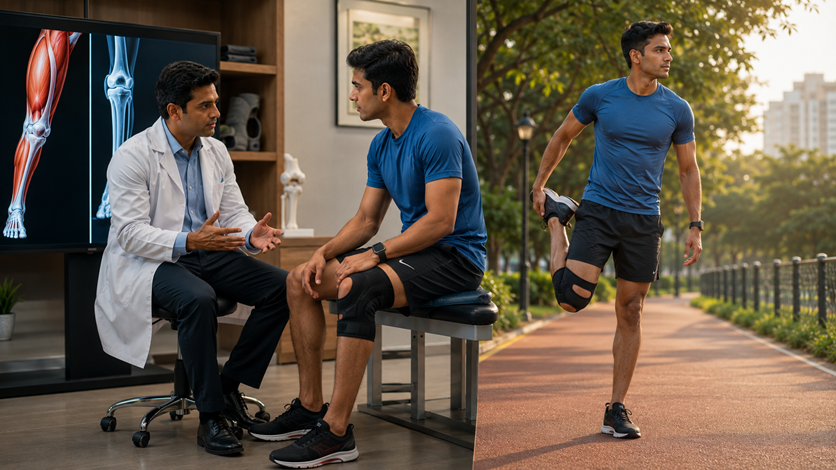
Running and jogging are among the best forms of exercise for improving cardiovascular fitness, building stamina, and maintaining overall health. However, repetitive stress, improper techniques, and lack of preparation can lead to sports injuries affecting the knees, ankles, hips, and muscles.
At Dr. Abhijeet Jayaswal Clinic, advanced sports medicine and orthopedic care is available under the supervision of Dr. Abhijeet Jayaswal for the prevention, diagnosis, and treatment of running-related injuries.
Common Running & Jogging Injuries
| Injury | Common Cause | Symptoms | Prevention |
|---|
| Shin Splints | Overtraining, hard surfaces | Pain along shin bone | Proper footwear and gradual training |
| Runner’s Knee | Poor running mechanics | Knee pain while running | Strengthening and stretching exercises |
| Ankle Sprain | Uneven surfaces | Swelling and instability | Balance training and proper shoes |
| Achilles Tendinitis | Tight calf muscles | Heel pain and stiffness | Stretching and warm-up |
| Muscle Strain | Sudden overexertion | Muscle pain and tightness | Adequate warm-up and hydration |
1. Always Warm Up Before Running
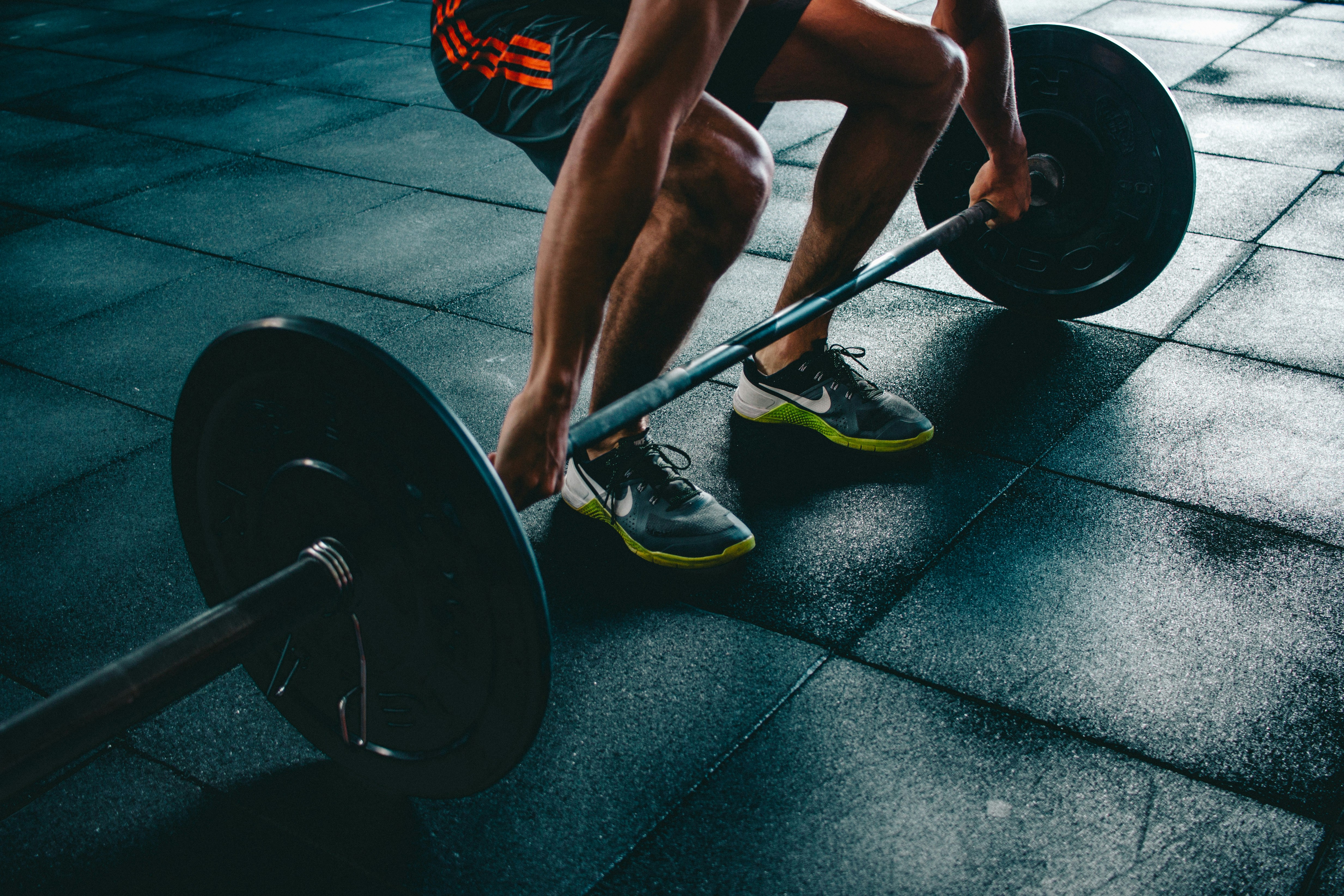
A proper warm-up prepares the muscles, joints, and cardiovascular system for physical activity. Skipping warm-up exercises increases the risk of muscle strains and ligament injuries.
Warm-Up Tips
-
Start with light walking or slow jogging
-
Perform dynamic stretching exercises
-
Focus on calf, hamstring, and hip mobility
-
Warm up for at least 5–10 minutes
2. Wear Proper Running Shoes
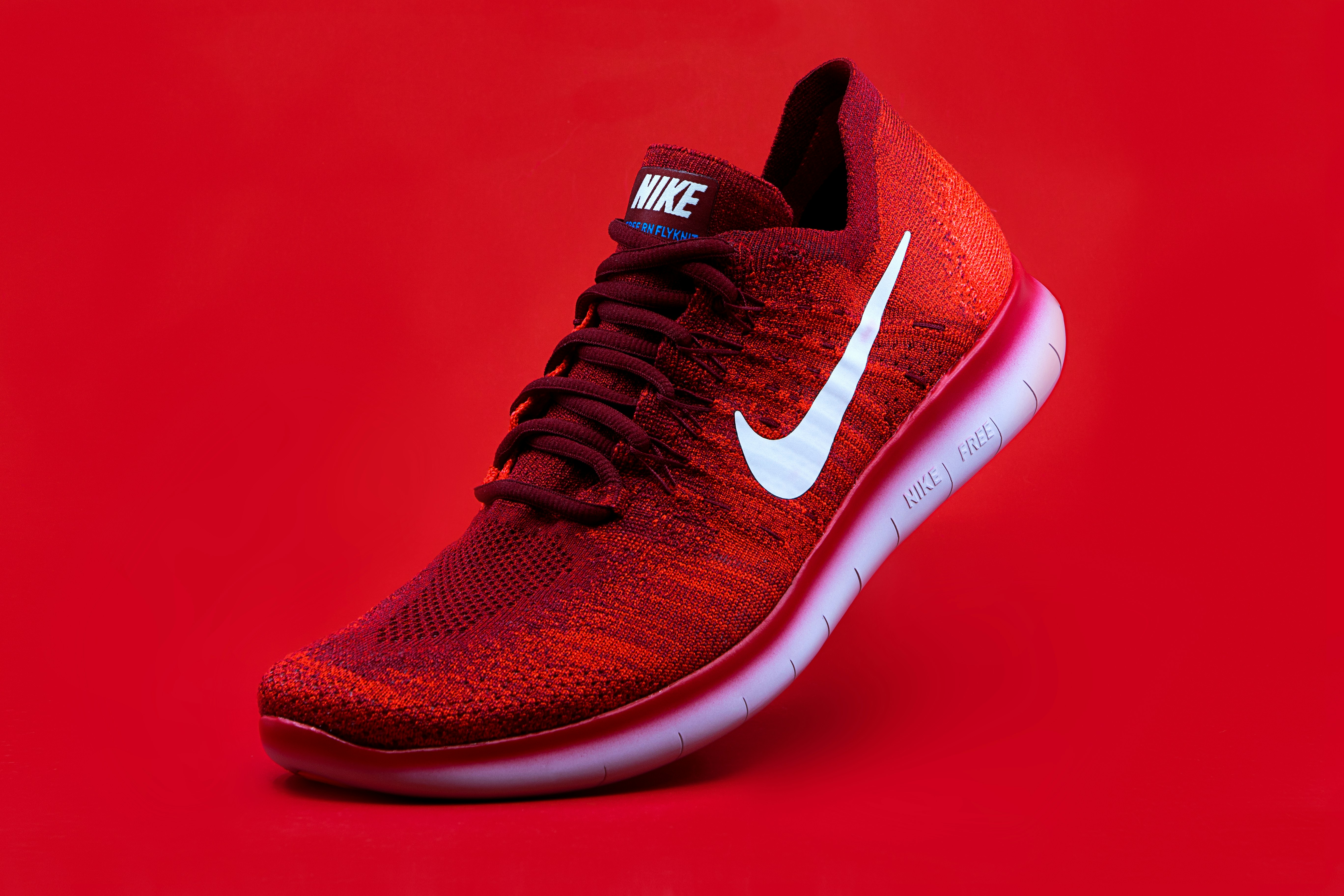
Wearing the wrong footwear can increase stress on joints and muscles, leading to injuries such as shin splints and knee pain.
How Proper Shoes Help
-
Provide shock absorption
-
Improve foot stability
-
Reduce pressure on knees and ankles
-
Support proper running posture
Tips for Choosing Running Shoes
-
Select shoes with proper cushioning
-
Replace worn-out shoes regularly
-
Choose shoes according to foot type and running style
3. Increase Training Gradually
Suddenly increasing running distance or intensity can overload muscles and joints, causing overuse injuries.
Safe Training Tips
-
Increase running distance gradually
-
Follow the 10% rule for weekly progression
-
Allow rest days between intense sessions
-
Avoid overtraining
4. Maintain Proper Running Technique
Poor posture and incorrect running form can place extra strain on the knees, hips, and lower back.
Correct Running Form Includes
-
Keeping the head upright
-
Relaxing shoulders and arms
-
Landing softly on the feet
-
Maintaining balanced body posture
Good technique improves performance and reduces injury risk.
5. Strengthen Muscles and Joints
 Strong muscles provide better support to joints and improve stability during running and jogging.
Important Areas to Strengthen
-
Core muscles
-
Quadriceps and hamstrings
-
Calf muscles
-
Hip stabilizers
Recommended Exercises
-
Squats
-
Lunges
-
Planks
-
Calf raises
6. Stay Hydrated and Maintain Nutrition
Dehydration and poor nutrition can lead to muscle fatigue, cramps, and reduced recovery.
Tips for Better Performance
-
Drink water before and after exercise
-
Eat protein-rich foods for muscle recovery
-
Include calcium and vitamin D for bone strength
-
Avoid running on an empty stomach
7. Listen to Your Body
Ignoring pain and continuing to run through discomfort can worsen injuries and delay recovery.
Warning Signs You Should Not Ignore
-
Persistent knee or ankle pain
-
Swelling or stiffness
-
Difficulty walking
-
Sharp muscle pain
-
Reduced performance due to discomfort
Rest and early medical evaluation help prevent serious complications.
Best Practices to Prevent Running Injuries
| Prevention Method | Benefit |
|---|
| Warm-Up Exercises | Improves muscle flexibility |
| Proper Footwear | Reduces joint stress |
| Strength Training | Enhances stability and balance |
| Gradual Training Progression | Prevents overuse injuries |
| Adequate Hydration | Prevents cramps and fatigue |
| Rest and Recovery | Supports muscle repair |
When Should You Consult a Sports Injury Specialist?
You should consult an orthopedic sports specialist if you experience:
-
Persistent pain during running
-
Recurrent ankle sprains
-
Knee instability
-
Swelling or inflammation
-
Difficulty walking or jogging
Early diagnosis and treatment help prevent long-term damage and support faster recovery.
Sports Injury Treatment in Patna
At Dr. Abhijeet Jayaswal Clinic, comprehensive sports medicine and orthopedic care is available for runners, athletes, and fitness enthusiasts.
Treatments Available
-
Running Injury Evaluation
-
Knee and Ankle Injury Treatment
-
Physiotherapy & Rehabilitation
-
ACL and Ligament Injury Care
-
Sports Pain Management
-
Arthroscopy Procedures
Why Choose Dr. Abhijeet Jayaswal?
-
Experienced orthopedic and sports medicine specialist
-
Advanced diagnostic and rehabilitation care
-
Personalized injury prevention programs
-
Modern orthopedic treatment techniques
-
Patient-centered approach for faster recovery
Qualifications:
MBBS, M.S. (Ortho), DNB (Ortho)
Conclusion
Running and jogging are highly beneficial for physical and mental health, but improper techniques and overtraining can lead to sports injuries. Following proper warm-up routines, wearing supportive footwear, strengthening muscles, and listening to your body are essential steps for injury prevention.
If you experience sports-related pain or discomfort while running or jogging, consult Dr. Abhijeet Jayaswal for expert sports medicine treatment and rehabilitation care in Patna.