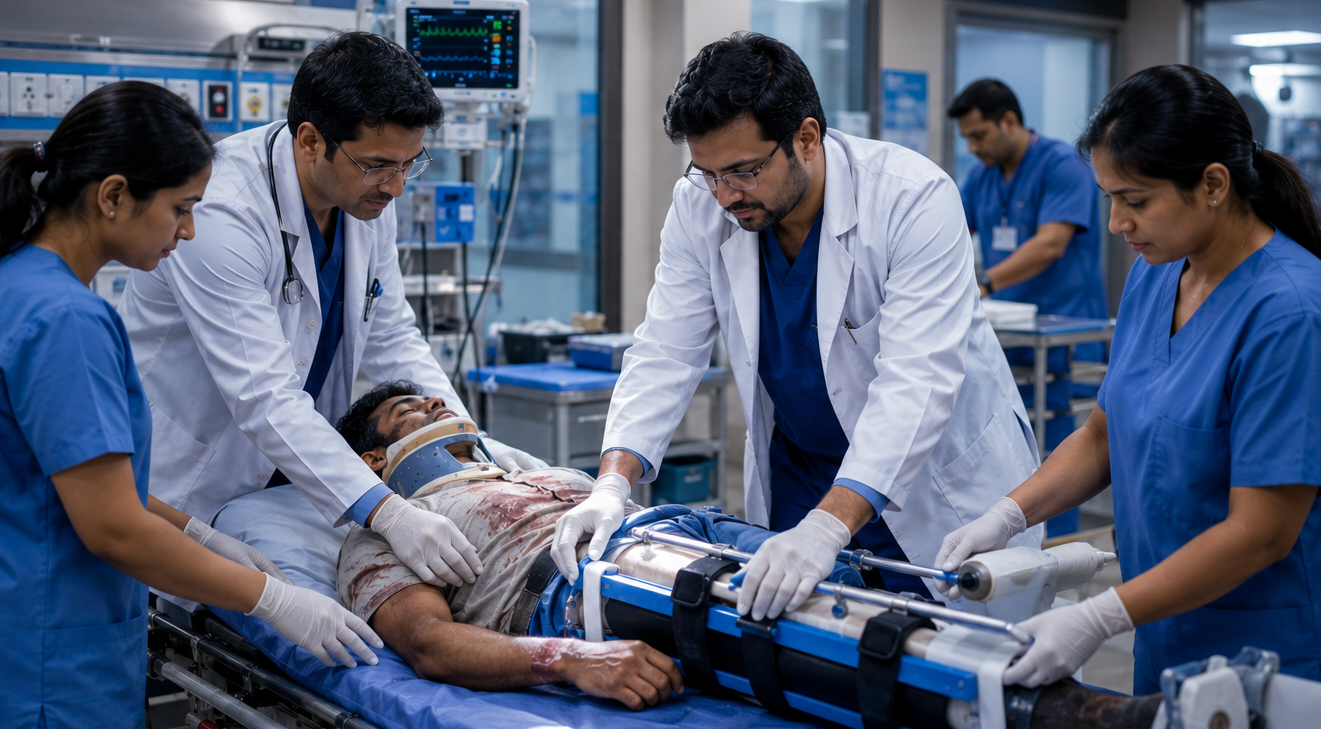
Bone fractures are among the most common orthopedic injuries and can happen due to accidents, falls, sports injuries, osteoporosis, or trauma. Without proper medical treatment, fractures may lead to severe pain, deformity, reduced mobility, and long-term complications.
Modern orthopedic care now offers advanced fracture treatment options that help patients recover faster, reduce pain, and regain normal movement safely.
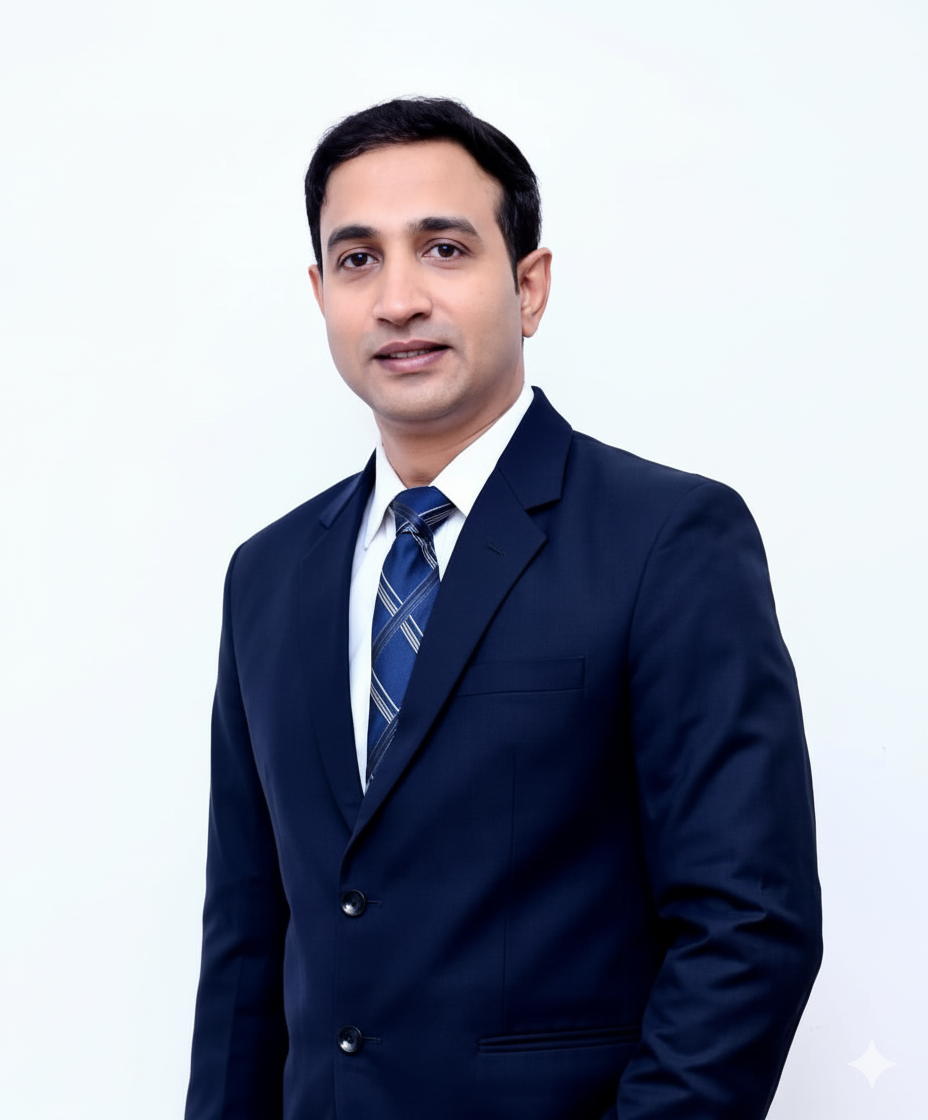
At Dr. Abhijeet Jayaswal Clinic, comprehensive fracture treatment in Patna is available using advanced orthopedic techniques, modern surgical procedures, and personalized rehabilitation programs to ensure better healing outcomes.
What is a Bone Fracture?
A fracture is a crack or break in a bone caused by excessive force, trauma, falls, accidents, or weakened bones.
Fractures can vary from small cracks to severe bone breaks requiring surgical treatment.
The main goal of fracture treatment is to:
Common Causes of Fractures
Bone fractures may occur due to several reasons, including:
- Road accidents
- Falls and slips
- Sports injuries
- Osteoporosis and weak bones
- Direct trauma or impact
- Workplace injuries
- Sudden twisting injuries
Elderly individuals are more vulnerable to fractures because of reduced bone strength.
Types of Fractures Commonly Treated
Simple Fracture
The bone breaks but does not pierce the skin.
Compound (Open) Fracture
The broken bone pierces through the skin and requires emergency medical treatment.
Hairline Fracture
A small crack in the bone commonly caused by repetitive stress or sports activities.
Comminuted Fracture
The bone breaks into multiple pieces, often due to severe trauma.
Greenstick Fracture
A partial fracture commonly seen in children.
Joint and Hip Fractures
Common among elderly patients and may require surgical fixation or joint replacement.
Symptoms of Bone Fractures
You should immediately consult an orthopedic specialist if you experience:
- Severe pain after injury
- Swelling around the injured area
- Difficulty moving the limb
- Bruising or tenderness
- Visible bone deformity
- Inability to bear weight
- Sudden loss of mobility
- Bleeding in severe injuries
Early orthopedic evaluation helps prevent complications and ensures proper healing.

Advanced Fracture Treatment Options in Patna
Modern orthopedic care offers both surgical and non-surgical fracture management depending on the severity of injury.
Non-Surgical Fracture Treatment
Minor or stable fractures may heal with conservative treatment methods such as:
Casting and Splinting
Casts and splints help stabilize the fractured bone and allow proper healing.
Medications
Pain relief medications and anti-inflammatory drugs help reduce discomfort and swelling.
Physiotherapy
Rehabilitation exercises help restore muscle strength and joint mobility after healing.
Surgical Fracture Treatment
Severe or unstable fractures may require orthopedic surgery for proper alignment and healing.
Internal Fixation Surgery
Metal plates, screws, rods, or nails are used to stabilize broken bones internally.
External Fixation
External support devices may be used in complex trauma injuries.
Joint Reconstruction
Severe joint fractures may require reconstructive orthopedic procedures.
Hip Fracture Surgery
Elderly patients with hip fractures may require surgical fixation or hip replacement surgery.
Is Fracture Surgery Safe?
Modern fracture surgeries are highly safe and effective when performed by experienced orthopedic surgeons using advanced medical techniques.
Today’s orthopedic procedures involve:
- Advanced imaging technology
- Minimally invasive surgical techniques
- Infection prevention protocols
- Modern anesthesia monitoring
- High-quality orthopedic implants
- Faster rehabilitation programs
Most patients recover successfully and regain normal movement after proper treatment.

Common Risks and Prevention Methods
Like any medical procedure, fracture treatment may involve certain risks. However, proper orthopedic care greatly reduces complications.
| Possible Risk | Prevention & Management |
|---|---|
| Infection | Sterile surgical environment and antibiotics |
| Delayed Bone Healing | Proper immobilization and nutrition |
| Joint Stiffness | Regular physiotherapy exercises |
| Swelling | Ice therapy and medications |
| Implant Problems | Advanced fixation techniques |
| Pain After Surgery | Modern pain management protocols |
Early diagnosis and rehabilitation are essential for faster recovery.
Recovery After Fracture Treatment
Recovery time depends on:
- Type of fracture
- Severity of injury
- Patient age
- Bone health
- Treatment method
- Rehabilitation compliance
Most patients gradually regain strength and mobility with proper medical care.
Rehabilitation After Fracture Treatment
Recovery programs may include:
- Physiotherapy exercises
- Walking support initially
- Muscle strengthening
- Joint mobility training
- Lifestyle modifications
- Regular orthopedic follow-up
Following rehabilitation instructions properly helps improve long-term outcomes.
Tips for Faster Bone Healing
Important Recovery Tips
- Follow your orthopedic doctor’s advice
- Take medications regularly
- Avoid putting excess pressure on the injured area
- Maintain healthy nutrition with calcium and protein
- Perform physiotherapy exercises regularly
- Avoid smoking and alcohol
- Attend follow-up appointments
Proper rehabilitation improves bone healing and mobility recovery.
Can Elderly Patients Recover from Fractures?
Yes. Elderly patients can recover successfully with proper orthopedic care and rehabilitation.
Orthopedic specialists carefully evaluate:
- Bone strength
- Heart health
- Diabetes control
- Mobility condition
- Overall fitness level
Early treatment helps elderly patients regain independence and prevent complications.
Why Choose Dr. Abhijeet Jayaswal for Fracture Treatment in Patna?
Dr. Abhijeet Jayaswal provides advanced orthopedic and trauma care with a patient-focused treatment approach.
Key Highlights
- Experienced Orthopedic and Trauma Specialist
- Advanced Fracture Management Techniques
- Modern Orthopedic Surgical Facilities
- Personalized Rehabilitation Programs
- Comprehensive Bone and Joint Care
- Patient-Centered Treatment Approach
- Faster Recovery and Mobility Focus
Orthopedic Services Available
Services Offered at Dr. Abhijeet Jayaswal Clinic
- Fracture Treatment
- Trauma and Accident Care
- Bone and Joint Surgery
- Knee Replacement Surgery
- Hip Replacement Surgery
- Sports Injury Treatment
- Arthritis Treatment
- Orthopedic Rehabilitation Programs
- Spine and Back Pain Treatment
Conclusion
Bone fractures can significantly affect mobility and daily life if left untreated. Fortunately, modern orthopedic care now provides highly effective fracture treatment solutions for faster healing and recovery.
With advanced surgical techniques, modern orthopedic implants, personalized rehabilitation programs, and expert trauma care, patients can achieve successful recovery and regain active movement.
If you or your loved one is suffering from a bone fracture, accident injury, or trauma-related orthopedic condition, consult Dr. Abhijeet Jayaswal for expert fracture treatment and advanced orthopedic care in Patna.
Ready to get started?
Schedule a consultation with our orthopedic specialists today for a personalized assessment.