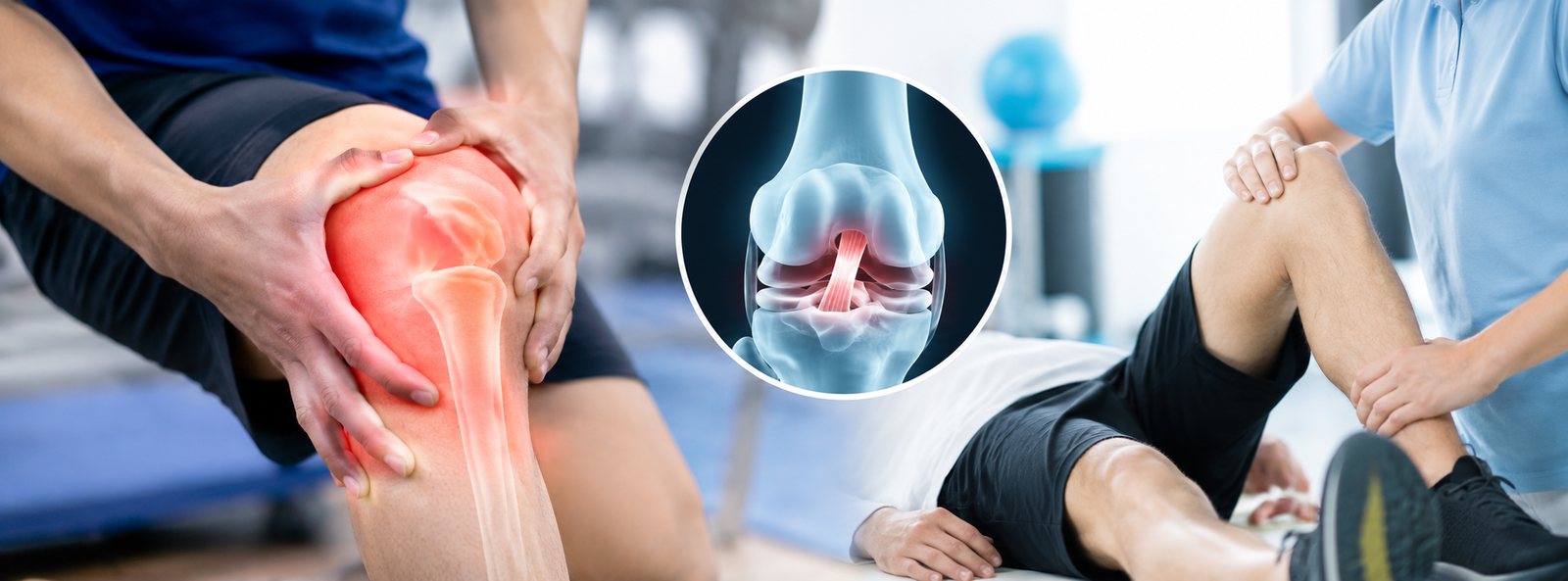
An ACL injury is one of the most common ligament injuries affecting the knee, especially among athletes and physically active individuals. Whether the injury occurs while playing football, cricket, badminton, basketball, or due to a road accident or sudden fall, a torn ACL can make the knee unstable and significantly affect your daily life.
Many people ignore knee injuries initially, believing the pain and swelling will improve with rest. However, an untreated ACL tear can lead to repeated episodes of knee instability, cartilage damage, meniscus injuries, and early osteoarthritis. Seeking timely orthopedic care helps prevent long-term complications and allows patients to return to an active lifestyle.
Modern ACL Reconstruction Treatment in Patna uses advanced arthroscopic techniques that restore knee stability with minimal tissue damage and faster recovery. If you experience sudden knee pain, swelling, or instability after an injury, consulting the Best Orthopedic Doctor in Patna is the first step toward accurate diagnosis and effective treatment.
What Is the ACL?
The Anterior Cruciate Ligament (ACL) is one of the four major ligaments that stabilize the knee joint. It connects the thigh bone (femur) to the shin bone (tibia) and prevents excessive forward movement of the tibia while controlling rotational movements of the knee.
The ACL plays a vital role in activities such as walking, running, jumping, changing direction, and maintaining balance. Because of these important functions, even a small injury to the ligament can affect knee stability and overall mobility.
Unlike muscles, ligaments have a limited blood supply, which means a completely torn ACL usually cannot heal naturally. In many active individuals, ACL Reconstruction Surgery in Patna is recommended to restore normal knee function and prevent further joint damage.
How Does an ACL Injury Occur?
ACL injuries most commonly occur during sports that involve sudden twisting, pivoting, jumping, or rapid changes in direction. Athletes participating in football, cricket, badminton, volleyball, basketball, kabaddi, and athletics are at a higher risk because these activities place significant stress on the knee joint.
However, sports are not the only cause. ACL tears may also occur during road traffic accidents, falls from height, or direct impact to the knee. In many cases, patients report hearing a "pop" at the time of injury, followed by immediate pain and swelling.
Women participating in competitive sports may also have a slightly higher risk of ACL injuries due to differences in knee anatomy, muscle strength, and movement patterns.
Common Causes of ACL Injuries
Several situations can result in an ACL tear. The most common include sudden stopping while running, changing direction quickly, landing awkwardly after a jump, direct collision during sports, twisting the knee while the foot remains firmly planted on the ground, and high-impact accidents involving the knee.
Poor muscle strength, improper training techniques, inadequate warm-up, and previous knee injuries can also increase the likelihood of ligament damage.
Recognizing these risk factors can help athletes and active individuals take preventive measures before serious injury occurs.

Common Causes of ACL Injury
| Cause | Risk Level |
|---|---|
| Sudden twisting of the knee | High |
| Landing awkwardly after jumping | High |
| Sports collisions | High |
| Road traffic accidents | Moderate to High |
| Falls from height | Moderate |
| Sudden change in direction while running | High |
Symptoms of an ACL Tear
The symptoms of an ACL injury usually appear immediately after the accident. Most patients experience sudden pain followed by swelling within a few hours. Many also describe hearing or feeling a popping sensation inside the knee when the ligament tears.
As swelling increases, walking becomes difficult, and the knee may feel unstable or "give way" while standing or changing direction. Some patients also experience reduced range of motion, making it difficult to fully bend or straighten the knee.
Common symptoms include:
- Sudden knee pain after injury
- A popping sensation at the time of injury
- Rapid swelling around the knee
- Difficulty walking or standing
- Knee instability or buckling
- Pain while climbing stairs
- Reduced range of motion
- Difficulty returning to sports
If these symptoms persist after a knee injury, early orthopedic evaluation is essential to avoid additional damage to the meniscus or cartilage.
ACL Injury Symptoms at a Glance
| Symptom | Possible Indication |
|---|---|
| Popping sound | ACL tear |
| Rapid swelling | Ligament injury |
| Knee instability | Complete ACL tear |
| Pain while walking | Soft tissue damage |
| Difficulty bending the knee | Swelling or ligament injury |
| Repeated buckling | Knee instability |
How Is an ACL Injury Diagnosed?
Diagnosing an ACL tear begins with a detailed clinical evaluation. The orthopedic specialist will ask about the injury, your symptoms, activity level, and previous knee problems. During the physical examination, the knee is assessed for swelling, tenderness, stability, and range of motion.
Special clinical tests, such as the Lachman Test, Anterior Drawer Test, and Pivot Shift Test, help evaluate the integrity of the ACL and determine the severity of the injury.
To confirm the diagnosis, imaging investigations are usually recommended. MRI is considered the gold standard because it clearly shows the ACL, meniscus, cartilage, and surrounding soft tissues. Digital X-rays may also be performed to rule out fractures or associated bone injuries.
Accurate diagnosis is important because ACL injuries are often associated with meniscus tears or cartilage damage, which may also require treatment.
When Is ACL Reconstruction Surgery Required?
Not every ACL injury requires surgery. Patients with partial ligament tears, low activity levels, or stable knees may recover successfully through physiotherapy and rehabilitation.
However, surgery is generally recommended when the ACL is completely torn, the knee repeatedly gives way during walking or sports, or when there are associated meniscus or cartilage injuries. Young athletes and physically active individuals who wish to return to sports usually achieve the best long-term outcomes with Sports Injury Treatment in Patnacombined with ACL reconstruction and a structured rehabilitation program.
Choosing the right treatment depends on several factors, including your age, occupation, lifestyle, activity level, and future goals. A detailed consultation with an experienced orthopedic surgeon helps determine the most appropriate approach for achieving a stable and functional knee.
How Is ACL Reconstruction Surgery Performed?
ACL reconstruction is a minimally invasive orthopedic procedure performed using arthroscopic (keyhole) surgery. Instead of stitching the torn ligament together, the damaged ACL is replaced with a healthy tendon graft that acts as a new ligament. This technique provides excellent knee stability while allowing patients to recover faster with smaller incisions and less postoperative pain.
Most patients undergoing Arthroscopy Surgery in Patna are discharged within one or two days, depending on their overall condition. The surgery is usually performed under spinal or general anesthesia and takes approximately one to two hours.
Before the operation, the orthopedic surgeon evaluates the MRI scan, examines the knee, and discusses the most suitable graft option based on the patient's age, activity level, occupation, and sports participation.
Types of Grafts Used in ACL Reconstruction
The torn ACL cannot usually heal on its own. Therefore, it is replaced with a tendon graft that gradually becomes a new functioning ligament. Different graft options are available, and the choice depends on the patient's needs and the surgeon's recommendation.
Common Grafts Used
| Graft Type | Advantages | Best For |
|---|---|---|
| Hamstring Tendon Graft | Less pain, smaller incision | Young and active patients |
| Patellar Tendon Graft | Excellent stability | Professional athletes |
| Quadriceps Tendon Graft | Strong and durable | Selected patients |
| Allograft (Donor Tissue) | No tendon harvesting | Older or less active patients |
Each graft has its own benefits, and your orthopedic surgeon will recommend the most appropriate option after evaluating your condition.
Step-by-Step ACL Reconstruction Procedure
ACL reconstruction is performed through small incisions using an arthroscope, a thin camera that provides a clear view inside the knee joint.
The surgeon first examines the entire knee to identify associated injuries such as meniscus tears or cartilage damage. If necessary, these conditions are treated during the same operation.
The damaged ACL is carefully removed, and small tunnels are created in the femur and tibia. The selected tendon graft is then passed through these tunnels and secured using specialized fixation devices. Once the graft is positioned correctly, the surgeon checks knee stability before closing the small incisions.
Because the surgery is minimally invasive, patients generally experience less pain, reduced blood loss, and quicker recovery compared with traditional open procedures.
What Happens Immediately After Surgery?
Recovery begins soon after the operation. Most patients are encouraged to move their ankle and perform gentle knee exercises on the same day of surgery. Walking with support usually begins within the first 24 hours under the guidance of a physiotherapist.
Mild pain, swelling, and stiffness are normal during the initial days after surgery. These symptoms are managed with medications, ice therapy, elevation, compression, and supervised physiotherapy.
Regular follow-up visits allow the orthopedic surgeon to monitor healing and ensure the graft is recovering properly.
Recovery Timeline After ACL Reconstruction
Recovery after ACL reconstruction is a gradual process. Returning to sports too early may increase the risk of another ligament injury, so rehabilitation should never be rushed.
ACL Recovery Timeline
| Recovery Stage | Expected Progress |
|---|---|
| First Week | Pain and swelling reduce, walking begins with support |
| 2–6 Weeks | Knee movement improves, physiotherapy continues |
| 6–12 Weeks | Muscle strength increases, walking becomes easier |
| 3–6 Months | Running and sports-specific exercises begin |
| 6–9 Months | Return to sports after medical clearance |
Recovery time varies depending on the patient's age, fitness level, associated injuries, and commitment to rehabilitation.
Why Rehabilitation Is So Important
Surgery alone cannot restore full knee function. A structured rehabilitation program is essential for rebuilding muscle strength, improving flexibility, restoring balance, and protecting the newly reconstructed ligament.
Physiotherapy begins with gentle range-of-motion exercises before progressing to muscle strengthening, balance training, walking exercises, and eventually sports-specific rehabilitation. Following the rehabilitation program consistently significantly improves long-term outcomes and reduces the risk of reinjury.
Patients recovering from major knee procedures also benefit from understanding the importance of Rehabilitation After Knee Replacement Surgery, as both treatments emphasize structured physiotherapy and gradual return to activity, although the rehabilitation protocols are different.
Possible Risks and Complications
ACL reconstruction is considered one of the most successful orthopedic procedures, but like any surgery, it carries certain risks. Fortunately, serious complications are uncommon when the surgery is performed by an experienced orthopedic surgeon and followed by proper rehabilitation.
Possible complications include infection, bleeding, blood clots, persistent swelling, knee stiffness, graft failure, instability, or limited range of motion. Following your surgeon's advice, attending physiotherapy sessions, and avoiding early return to sports help minimize these risks.
Tips for Faster Recovery
Recovery depends not only on the surgery but also on the patient's commitment to rehabilitation. Taking medications as prescribed, performing physiotherapy exercises regularly, maintaining a healthy diet rich in protein and calcium, and avoiding unnecessary stress on the knee all contribute to better healing.
Patients should avoid running, jumping, squatting, or playing sports until they receive medical clearance. Wearing a knee brace when advised and attending all follow-up appointments further support a smooth recovery.
Can You Return to Sports After ACL Reconstruction?
Yes. Most patients successfully return to recreational and competitive sports after completing rehabilitation. However, returning to sports too early increases the risk of another ACL tear.
Before returning to football, cricket, badminton, basketball, or other high-impact activities, your orthopedic surgeon and physiotherapist will assess muscle strength, knee stability, balance, flexibility, and overall functional recovery. Only after meeting these milestones should sports participation resume.
Why Choose Dr. Abhijeet Jayaswal for ACL Reconstruction Treatment?
Choosing an experienced orthopedic surgeon is essential for achieving the best possible outcome after an ACL injury. Dr. Abhijeet Jayaswal specializes in sports injury management, arthroscopic surgery, ligament reconstruction, trauma care, and advanced knee procedures.
Every patient receives a personalized treatment plan based on their injury, activity level, lifestyle, and recovery goals. From accurate diagnosis and minimally invasive surgery to comprehensive rehabilitation, the focus is on restoring knee stability, reducing pain, and helping patients safely return to an active lifestyle.
Whether you are an athlete, working professional, or someone recovering from an accidental knee injury, expert orthopedic care can make a significant difference in your recovery.
Conditions Commonly Associated with ACL Injuries
An ACL tear often occurs along with other knee injuries. Identifying and treating these associated conditions is important for achieving the best long-term outcome.
| Associated Condition | Common Symptoms | Possible Treatment |
|---|---|---|
| Meniscus Tear | Knee locking, swelling | Arthroscopy Surgery in Patna |
| Cartilage Injury | Pain while walking | Arthroscopic Repair |
| MCL Injury | Inner knee pain | Conservative Treatment or Surgery |
| PCL Injury | Knee instability | Rehabilitation or Surgery |
| Knee Arthritis | Chronic pain and stiffness | Knee Replacement Surgery in Patna (Advanced cases) |
Treating these conditions together during ACL reconstruction often leads to better knee function and improved recovery.
Can ACL Injuries Be Prevented?
Although every ACL injury cannot be prevented, following proper training techniques and maintaining good knee strength can significantly reduce the risk.
Regular strengthening exercises for the thigh and hamstring muscles improve knee stability. Athletes should always warm up before sports, practice correct jumping and landing techniques, and avoid returning to sports before complete recovery from previous injuries.
Maintaining a healthy body weight, wearing appropriate footwear, and following professional coaching techniques also help reduce unnecessary stress on the knee joint.
When Should You Consult an Orthopedic Specialist?
Many people continue walking even after an ACL injury, assuming the problem is minor. However, persistent knee instability can lead to additional cartilage and meniscus damage.
You should consult an orthopedic specialist if you experience:
- A popping sound during a knee injury
- Rapid swelling within a few hours
- Difficulty walking after an injury
- Knee giving way while walking
- Pain that does not improve with rest
- Repeated sports-related knee injuries
- Reduced knee movement
- Difficulty returning to physical activity
Early consultation with the Best Orthopedic Doctor in Patna improves the chances of successful treatment and helps prevent long-term joint damage.
Frequently Asked Questions
1. What is ACL reconstruction surgery?
ACL reconstruction is a surgical procedure in which a torn anterior cruciate ligament is replaced with a tendon graft to restore knee stability and normal function.
2. Can a torn ACL heal without surgery?
A complete ACL tear usually does not heal naturally because the ligament has a poor blood supply. Some partial tears may improve with physiotherapy, but many active patients require surgery.
3. How long does ACL reconstruction surgery take?
The procedure generally takes between one and two hours, depending on the severity of the injury and whether additional procedures are required.
4. Is ACL reconstruction painful?
The surgery is performed under anesthesia, so patients do not feel pain during the procedure. Mild pain and swelling after surgery are normal and can be managed with medications and physiotherapy.
5. How soon can I walk after ACL surgery?
Most patients begin walking with support within 24 hours after surgery under the supervision of their orthopedic surgeon and physiotherapist.
6. How long does recovery take?
Most patients recover significantly within six to nine months, although complete rehabilitation and return to competitive sports may take up to one year.
7. Can I return to sports after ACL reconstruction?
Yes. Most athletes can safely return to sports after completing rehabilitation and receiving medical clearance from their orthopedic surgeon.
8. What happens if an ACL tear is left untreated?
Untreated ACL tears may cause repeated knee instability, meniscus injuries, cartilage damage, and increase the risk of developing early osteoarthritis.
9. Is physiotherapy necessary after ACL reconstruction?
Yes. Physiotherapy is one of the most important parts of recovery because it restores muscle strength, flexibility, balance, and knee stability.
10. What is the success rate of ACL reconstruction?
ACL reconstruction has a very high success rate when performed by an experienced orthopedic surgeon and followed by a structured rehabilitation program.
11. Can older adults undergo ACL reconstruction?
Yes. Surgery may be recommended for older adults depending on their activity level, overall health, and degree of knee instability.
12. How can I reduce the risk of another ACL injury?
Following your rehabilitation program, strengthening your leg muscles, improving balance, using proper sports techniques, and avoiding early return to sports significantly reduce the risk of reinjury.
Final Thoughts
An ACL injury can significantly affect your mobility, confidence, and quality of life. Fortunately, advances in orthopedic surgery have made ACL reconstruction one of the most successful procedures for restoring knee stability and allowing patients to return to their normal activities.
Early diagnosis, appropriate treatment, and a structured rehabilitation program are the keys to achieving the best possible outcome. Ignoring knee instability or delaying treatment can increase the risk of permanent joint damage and future complications.
If you are experiencing knee pain, instability, or swelling after a sports injury or accident, consult Dr. Abhijeet Jayaswal for expert ACL Reconstruction Treatment in Patna. With advanced arthroscopic techniques, personalized treatment plans, and comprehensive rehabilitation support, every effort is focused on helping you regain confidence, restore knee function, and return to an active, pain-free lifestyle.
Ready to get started?
Schedule a consultation with our orthopedic specialists today for a personalized assessment.