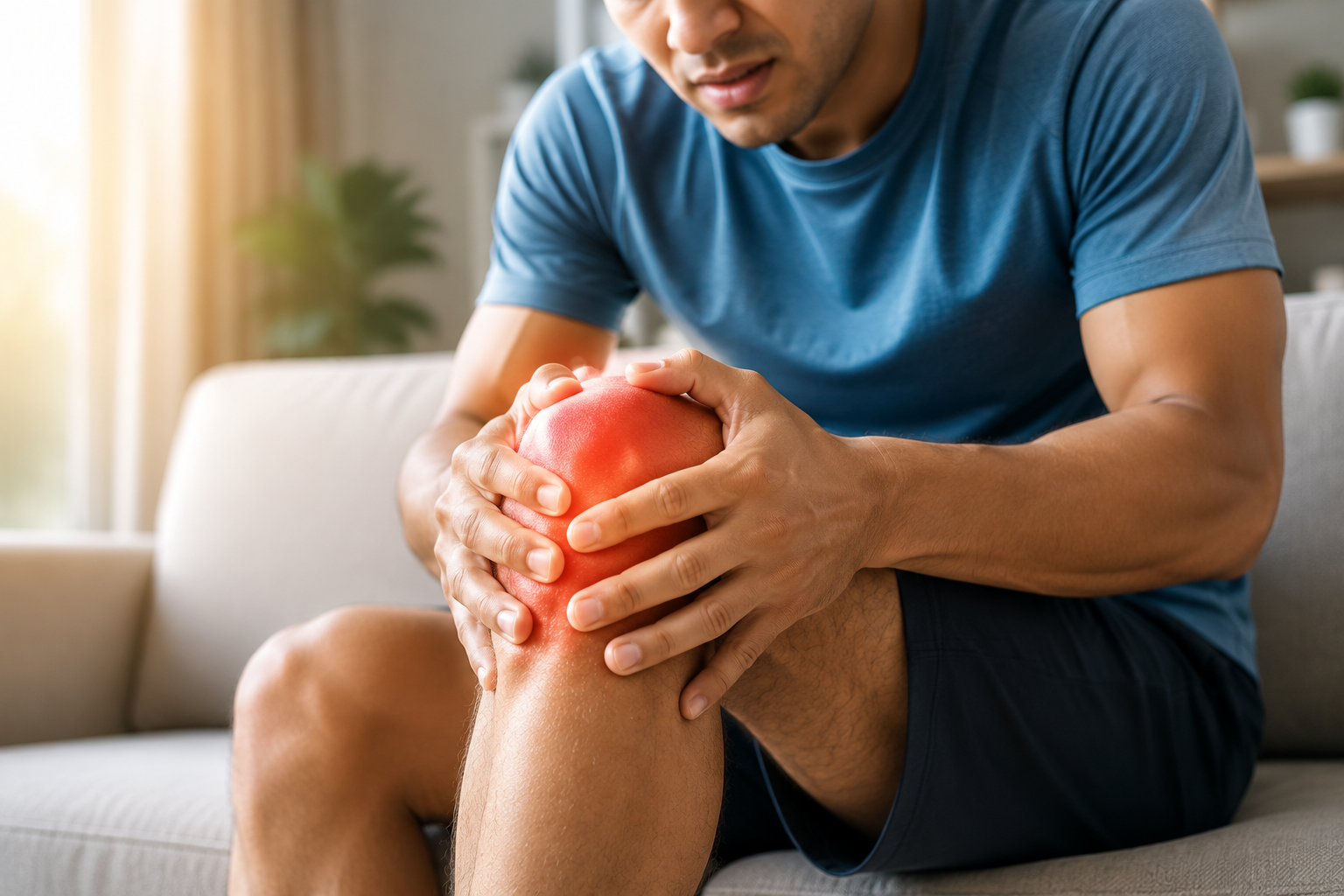
Knee pain is one of the most common orthopedic conditions affecting people of all ages. It can result from injuries, arthritis, overuse, or age-related wear and tear. Whether your pain is mild or severe, identifying the underlying cause is essential for choosing the right treatment.
Many patients recover with medications, physiotherapy, and lifestyle changes. However, if pain persists or affects your daily routine, consulting the Best Orthopedic Doctor in Patna can help determine whether advanced treatment or surgery is necessary.
Why Does Knee Pain Occur?
The knee is the largest weight-bearing joint in the body. It supports walking, running, climbing stairs, and many daily activities. Because of constant movement and pressure, the knee is vulnerable to injuries, cartilage damage, ligament tears, and arthritis.
An accurate diagnosis helps determine the exact cause of pain and allows early treatment before permanent joint damage occurs.
1. Osteoarthritis
Osteoarthritis is the most common cause of chronic knee pain. It develops when the cartilage protecting the knee gradually wears away, resulting in pain, swelling, stiffness, and difficulty walking.
Early-stage osteoarthritis can often be managed with Arthritis Treatment in Patna, physiotherapy, exercise, and weight management. In advanced cases, Knee Replacement Surgery in Patna may be recommended to restore mobility and relieve pain.

2. Rheumatoid Arthritis
Rheumatoid arthritis is an autoimmune disease that causes inflammation in multiple joints, including the knees. Symptoms often include swelling, prolonged morning stiffness, warmth around the joint, and progressive damage if left untreated.
Early diagnosis and appropriate medical care are important to protect the joint and slow disease progression.
3. Meniscus Tear
The meniscus acts as a cushion between the thigh bone and shin bone. A sudden twist, sports injury, or age-related degeneration can tear the meniscus, leading to pain, swelling, locking, and difficulty bending the knee.
Some patients improve with physiotherapy, while others benefit from Arthroscopy Surgery in Patna, a minimally invasive procedure that repairs damaged cartilage.

4. ACL Injury
The anterior cruciate ligament (ACL) stabilizes the knee joint. ACL injuries commonly occur during sports that involve sudden twisting, jumping, or changes in direction.
Treatment depends on the severity of the injury and may include rehabilitation or ACL Reconstruction Surgery in Patna for active individuals.
5. Patellar Tendinitis
Patellar tendinitis, often called "jumper's knee," occurs when repeated stress causes inflammation of the tendon below the kneecap. It is frequently seen in runners and athletes involved in jumping sports.
Treatment usually includes rest, physiotherapy, stretching exercises, and activity modification.
6. Knee Bursitis
Bursae are small fluid-filled sacs that reduce friction inside the knee. Repetitive kneeling, injury, or prolonged pressure can inflame these sacs, causing pain, tenderness, and swelling.
Most cases respond well to conservative treatment, including medication, rest, and physiotherapy.
7. Ligament Injuries
Apart from ACL injuries, damage to the MCL, PCL, or LCL ligaments can cause knee instability, swelling, and pain. These injuries often occur during sports or accidents.
Treatment ranges from physiotherapy and bracing to surgery, depending on the severity of the injury.
8. Fractures Around the Knee
A fall, road traffic accident, or direct impact can cause fractures involving the kneecap, femur, or tibia. Symptoms include severe pain, swelling, deformity, and inability to bear weight.
Prompt orthopedic evaluation is essential. Many patients require Fracture Treatment in Patna to restore normal knee function.
9. Obesity-Related Knee Pain
Excess body weight increases pressure on the knee joints, accelerating cartilage wear and increasing the risk of osteoarthritis.
Maintaining a healthy weight and staying physically active can reduce stress on the knees and improve long-term joint health.
10. Age-Related Wear and Tear
As people age, the cartilage inside the knee naturally becomes thinner. This gradual degeneration can cause stiffness, pain, and reduced mobility.
Early orthopedic evaluation can help slow progression and preserve joint function.
Common Causes of Knee Pain at a Glance
| Cause | Common Symptoms | Treatment |
|---|---|---|
| Osteoarthritis | Pain, stiffness | Medication, Knee Replacement |
| Rheumatoid Arthritis | Swelling | Medication |
| Meniscus Tear | Locking | Arthroscopy |
| ACL Injury | Instability | ACL Reconstruction |
| Tendinitis | Pain during movement | Physiotherapy |
| Knee Bursitis | Swelling | Medication |
| Ligament Injury | Knee instability | Rehabilitation or Surgery |
| Fracture | Severe pain | Fracture Surgery |
| Obesity | Chronic pain | Weight Management |
| Degeneration | Progressive stiffness | Conservative or Surgical Treatment |
When Should You See an Orthopedic Doctor?
Consult an orthopedic specialist if you experience:
- Knee pain lasting more than two weeks
- Difficulty walking
- Swelling around the knee
- Pain while climbing stairs
- Knee locking or instability
- Persistent morning stiffness
- Reduced range of motion
- Pain disturbing your sleep
- Repeated sports injuries
Ignoring these symptoms may result in worsening joint damage and delayed recovery.
When Is Surgery the Right Option?
Not all knee pain requires surgery. Many patients recover successfully with medications, physiotherapy, and exercise.
Surgery may be recommended when:
| Condition | Surgery May Be Required |
|---|---|
| Advanced Osteoarthritis | ✔ |
| Severe Cartilage Damage | ✔ |
| Complex Ligament Tear | ✔ |
| Failed Conservative Treatment | ✔ |
| Knee Deformity | ✔ |
| Chronic Disabling Pain | ✔ |
Procedures such as Knee Replacement Surgery, ACL Reconstruction, or Arthroscopy are recommended only after a detailed orthopedic evaluation.
How Is Knee Pain Diagnosed?
Diagnosis typically includes:
- Medical history
- Physical examination
- Digital X-rays
- MRI Scan
- Blood Tests (when arthritis is suspected)
- CT Scan (if required)
Accurate diagnosis helps your orthopedic surgeon recommend the most appropriate treatment.
Why Choose Dr. Abhijeet Jayaswal?
Dr. Abhijeet Jayaswal provides comprehensive orthopedic care for patients with knee pain, arthritis, sports injuries, fractures, and ligament injuries. His approach focuses on accurate diagnosis, personalized treatment plans, advanced surgical techniques, and structured rehabilitation to help patients regain mobility and improve their quality of life.
Frequently Asked Questions
What is the most common cause of knee pain?
Osteoarthritis is the leading cause of chronic knee pain, particularly among older adults.
Can knee pain be treated without surgery?
Yes. Most patients improve with medications, physiotherapy, weight management, and exercise.
When is knee replacement surgery recommended?
It is usually recommended for patients with advanced arthritis who continue to experience severe pain despite conservative treatment.
Which doctor should I consult for knee pain?
An orthopedic specialist is the right doctor to diagnose and treat knee pain.
Can young people develop knee pain?
Yes. Sports injuries, ligament tears, meniscus injuries, and overuse commonly affect younger adults.
Final Thoughts
Knee pain can significantly affect your mobility and quality of life, but early diagnosis and appropriate treatment can prevent long-term complications. Whether your symptoms are caused by arthritis, sports injuries, ligament damage, or age-related wear and tear, timely orthopedic care is essential.
If you are looking for the Best Orthopedic Doctor in Patna, consult Dr. Abhijeet Jayaswal for expert evaluation and personalized treatment. From Joint Pain Treatment in Patna to advanced Knee Replacement Surgery in Patna, comprehensive orthopedic care is available to help you return to an active, pain-free life.
Ready to get started?
Schedule a consultation with our orthopedic specialists today for a personalized assessment.